
Life Is Beautiful Review — A Shield Made of Laughter, Though I Only Believe Half of This Film
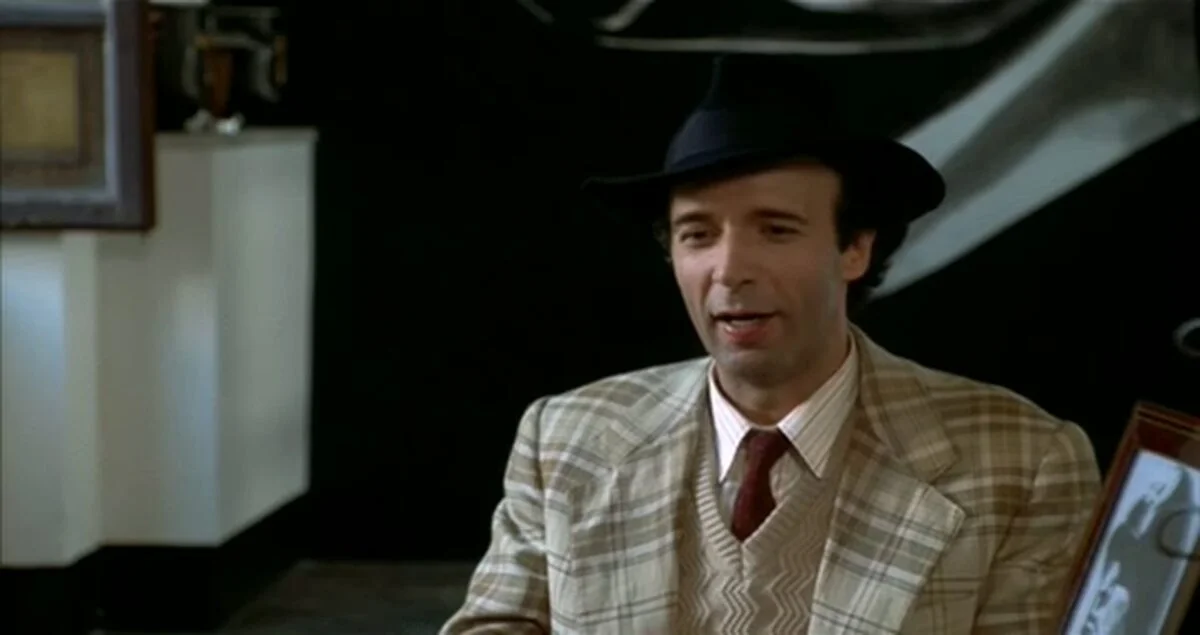
Roberto Benigni’s Life Is Beautiful (1997) has received nearly every honor going: the Academy Award for Best Actor, the Grand Prix at Cannes and an 81 percent score on Rotten Tomatoes. At the same time, it was condemned by comedy giant Mel Brooks as “a crazy movie that tried to find comedy in a concentration camp.”
Few films inspire such sharply divided reactions.
Let me give you the conclusion first: I think half of this film is a masterpiece, while the other half is fundamentally dishonest. Here is why I hold both views at once.
The First and Second Halves Are Really Different Films
Life Is Beautiful is structurally divided almost exactly in half.
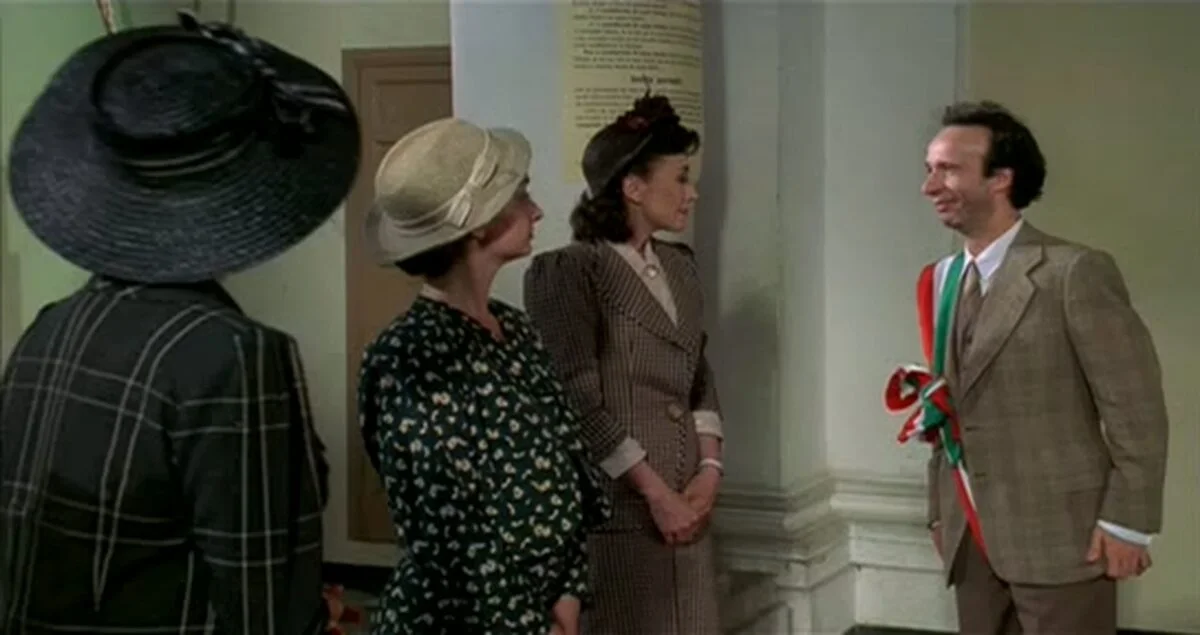
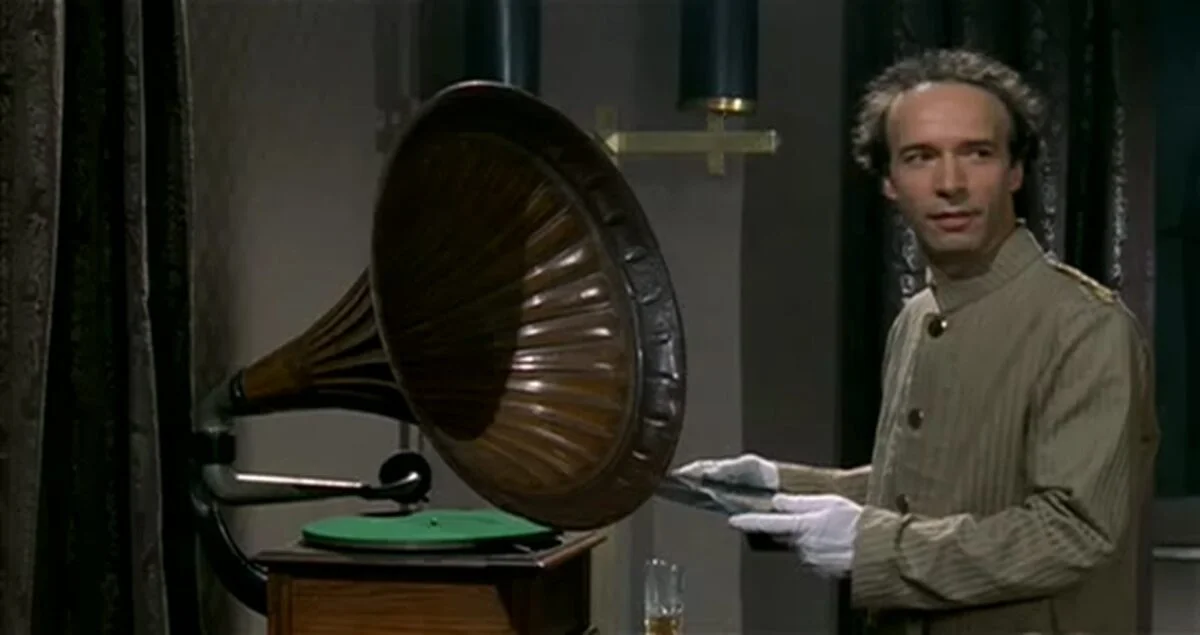
The first half is a slapstick romantic comedy set in Arezzo, Italy, in 1939. Guido, a bookstore owner, meets Dora, a schoolteacher from the countryside, and eventually wins her over after an extended series of comic misadventures.
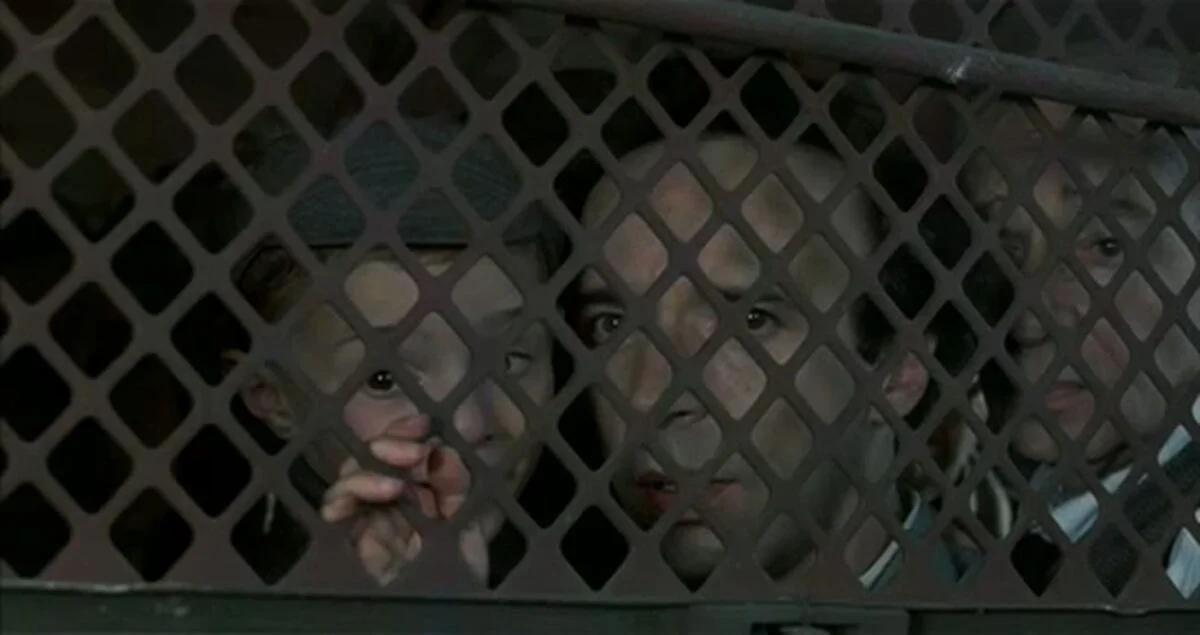
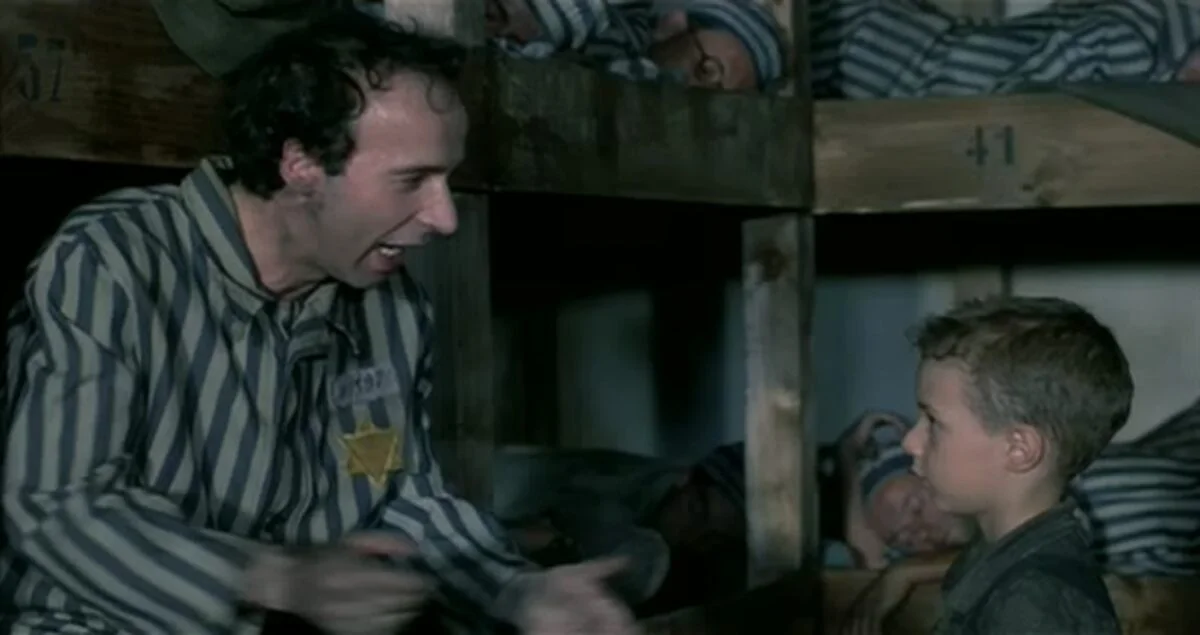
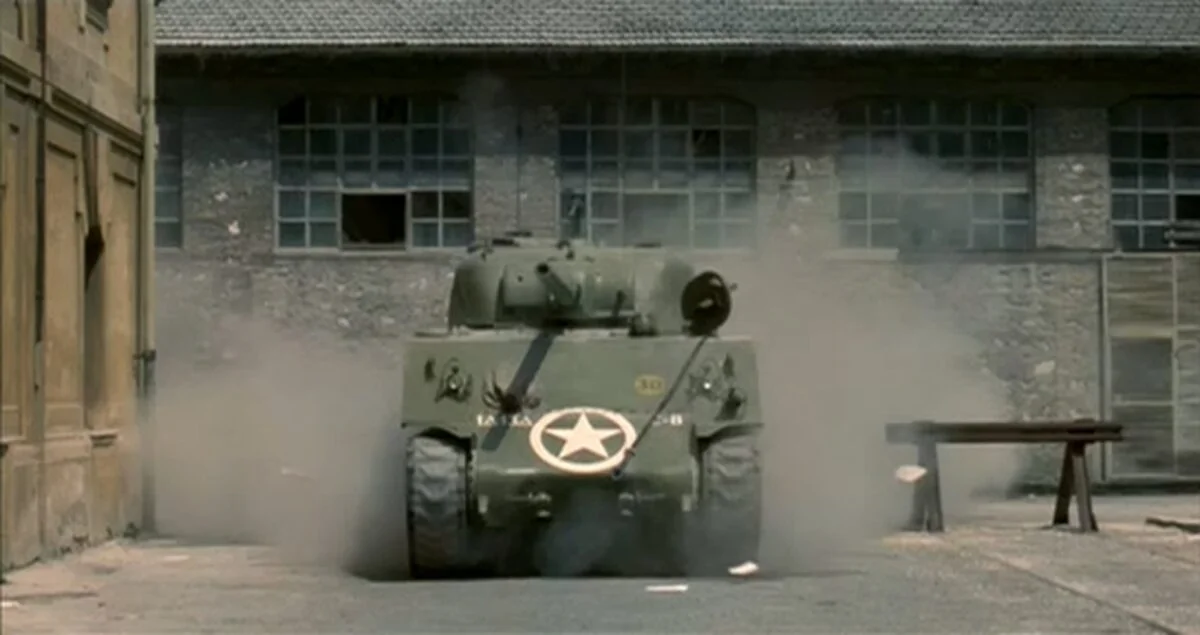
The second half takes place in 1944. After Guido, who is Jewish, and his son Giosuè are taken to a concentration camp, Guido protects the boy from terror by convincing him that the camp is actually a game in which the winner earns a tank.
I don’t think these two halves can be judged on equal terms.
The first half is simply an expertly made comedy, powered by Benigni’s physical humor and impeccable timing. There is nothing to argue about there.
The problem is the second half. From that point on, the film begins asking the audience to “believe in this,” and much of what it asks me to accept is difficult to take.
Why Was This Film Made? — A Father’s Humor
Benigni’s personal history helps explain why he made a film like this.
His father, Luigi Benigni, actually spent two years in a Nazi labor camp and is said to have always mixed humor into the stories he told his children about the experience.
Benigni explained this by saying that “laughter and tears come from the same place in the soul.” He also drew the basic structure of the story from Auschwitz survivor Rubino Romeo Salmoni’s memoir In the End, I Defeated Hitler, while consulting throughout production with the Contemporary Jewish Documentation Center in Milan.
In other words, it is important to recognize that Benigni was not casually fooling around with the Holocaust. He was making a serious attempt to bring his father’s way of surviving to the screen.
The Real Issue — I See Carelessness, Not “Glorification”
The debate surrounding this film is usually reduced to one question: Is it acceptable to use the Holocaust as material for comedy?
Nobel Prize–winning author Imre Kertész argued that interpreting the film as a comedy was itself “missing the point,” insisting that it is a tragedy. I agree with him.
By the time the film ends, it is clear that this is not a funny story but a desperate one: a father, even as he is facing death, refuses to pass his fear on to his son. For that reason, I think the criticism that the film tried to make fun of the Holocaust fails to engage with what is actually on the screen.
But the criticism I do find persuasive lies elsewhere. The scholar Ilona Klein identified the problem: the film ultimately seems to say that people can survive if they have love, family devotion and imagination. Yet in the actual camps, the vast majority of those who possessed those qualities most desperately died in the gas chambers.
That, to me, is the film’s real weakness.
The issue is not that it crosses some moral line. It is that the story moves toward a resolution that is simply too convenient.
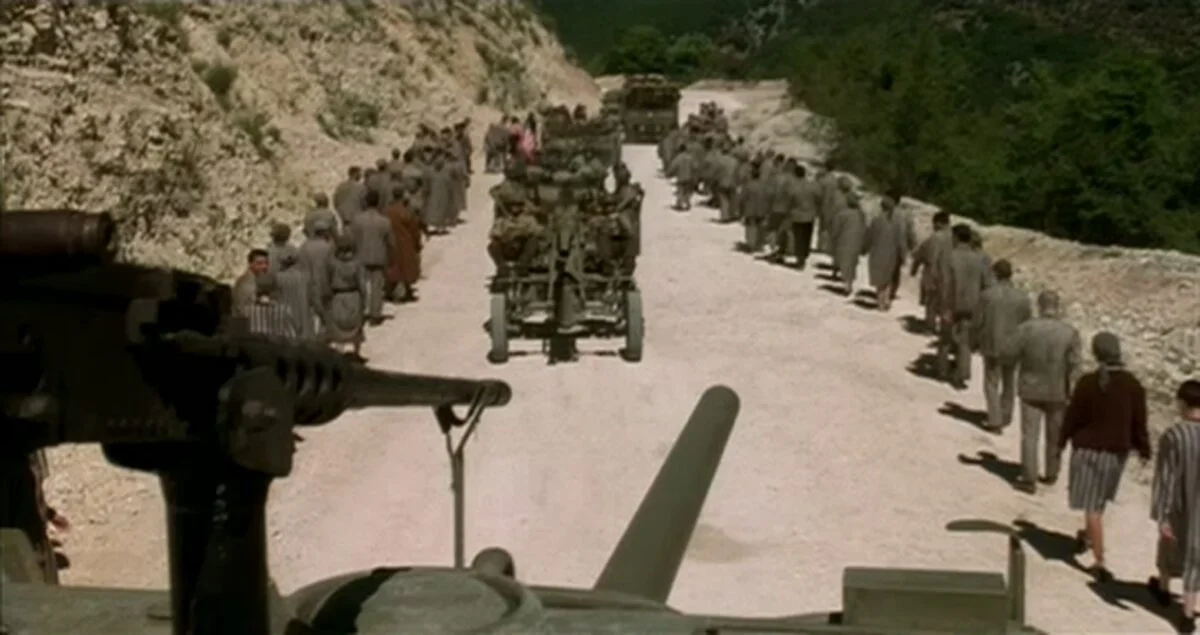
The child remains undiscovered until the end, and an American tank arrives at precisely the right moment to save him. Dramatically, the sequence is perfect. But it creates the illusion that love will ultimately see us through.
In real history, there were vastly more cases in which love did not prevail. The fact that the film pushes the overwhelming reality of those people entirely offscreen is, to my mind, its most dishonest choice.
Why I Still Can’t Dismiss the Film
Even so, I do not rate the film poorly.
Benigni himself drew a clear line, saying that “this is not a film about the Nazis or fascists but about the human spirit, and only documentaries can convey the ‘truth’ of the Holocaust.”
I find that position honest. The film never claimed to be a historical recreation.
Many of its details also differ substantially from the way the camps actually operated, and Benigni designed them that way deliberately. This is not a documentary; it is a fable.
And as a fable, its central question remains powerful: How does a parent translate an unbearable reality of fear for a child?
What It Leaves Us With Today
I think the reason this film remains worth considering today has less to do with the Holocaust itself than with the question of how parents communicate a reality too large for their children to bear.
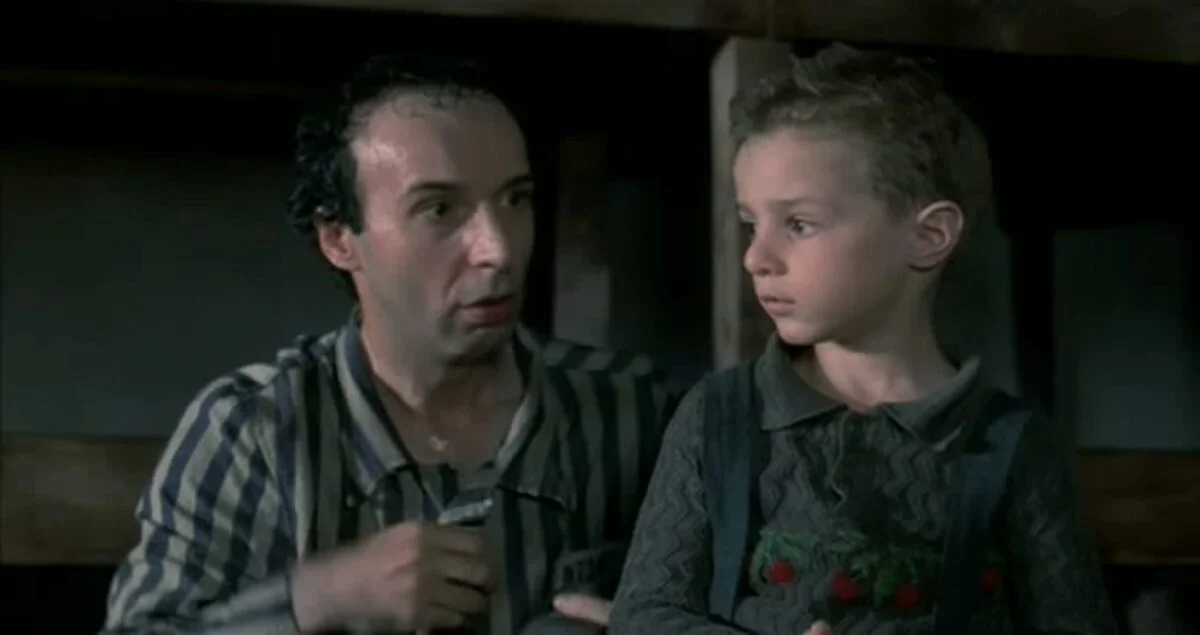
War, divorce, bankruptcy, illness—when faced with realities too overwhelming for a child to understand, parents have two basic choices. They can show everything exactly as it is, or translate it into a form the child can handle. Guido chooses the latter, and I see no reason to condemn that choice in itself.
But there is one realistic qualification I would add.
In real life, stories and a parent’s attitude can protect a child only when circumstances happen to be on the child’s side. Guido’s love is beautiful, but what saves his son is not love; it is the American tank that arrives at exactly the right moment.
A parent’s love and attitude are essential to helping a child endure a crisis, but we should not mistake them for a guarantee that every danger can be overcome. That is the message I truly want to take from this film: love gives us the strength to hold on, but it cannot replace salvation from outside.
Verdict — 3.5/5
The acting—especially Benigni’s all-in physical comedy and his restrained emotional performance in the latter half—is so impressive that it is easy to understand why the Academy honored him. The first half is also nearly flawless in its execution.
But much of the second half’s emotional impact rests on the convenient premise that enough coincidence and imagination can somehow carry the day. I think that premise cuts the film’s emotional power roughly in half.
It is too indulgent toward its own narrative to be called a masterpiece, yet its craftsmanship and sincerity are too evident to dismiss. So I give the film 3.5 stars—a film I respect, but do not wholeheartedly believe in.
Frequently Asked Questions (FAQ)
Q1. Is Life Is Beautiful based on a true story?
Not entirely. The film is a work of fiction inspired by the memoir of Auschwitz survivor Rubino Romeo Salmoni, combined with the personal history of director Roberto Benigni, whose father survived a Nazi labor camp and told his children about the experience with humor.
Q2. Is the criticism that the film glorifies the Holocaust justified?
I find it difficult to agree with the word “glorifies.” The film ultimately ends with the father’s death, a tragedy. However, I do think there is merit to the criticism that it presents the reality of most victims in an overly optimistic way by suggesting that love and imagination alone can carry people through such a crisis.
Q3. Is this a film I can watch with my child?
The first half is a relatively accessible comedy, but the second half is steeped in the emotions of death and separation because it is set in a concentration camp. Rather than watching it with a very young child, I recommend viewing it with a child old enough to understand some of the historical context and discussing it together.
Q4. Why did Roberto Benigni win the Academy Award for Best Actor for this film?
He became the first non-English-speaking actor to win the Academy Award for Best Actor. His ability to move convincingly between comedy and tragic sacrifice within a single character was highly praised, and his exuberant climb across the theater seats and onto the stage at the ceremony also became an iconic moment.
Q5. Are there any recent films with a similar tone?
Taika Waititi’s Jojo Rabbit (2019) is often mentioned alongside it. Both films bring comedic elements to stories set during the Nazi era, but they differ in their use of a child’s perspective and satire, making them interesting to compare.
