
It has everything, yet something still doesn’t quite sit right.
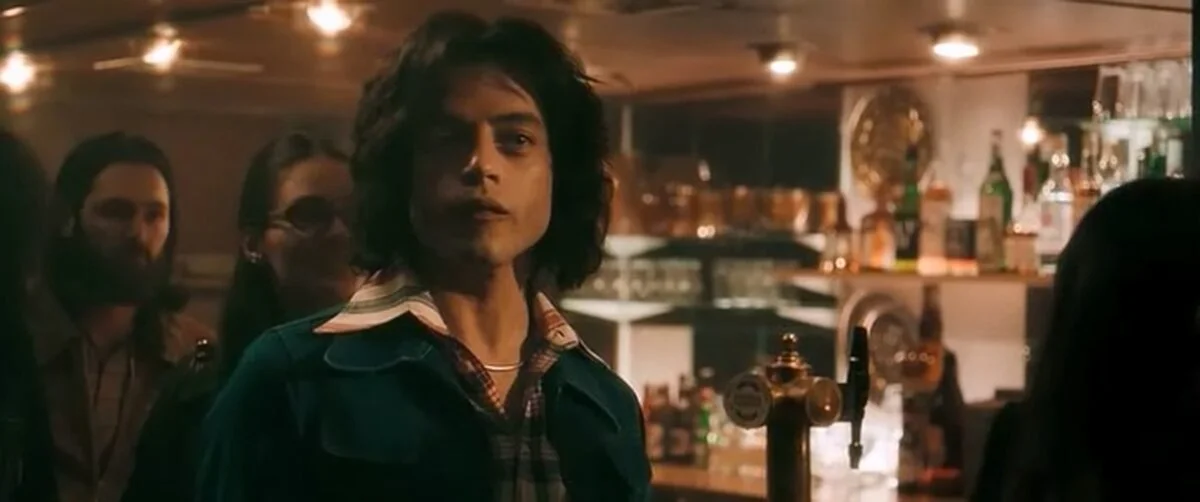
Bryan Singer (and, in practice, Dexter Fletcher, who completed more than half of the film) directed Bohemian Rhapsody (2018), which grossed $910 million worldwide and became the highest-grossing music biopic of all time.
Rami Malek won the Academy Award for Best Actor for his performance, while the film took home four Oscars—the most of any film at the 91st Academy Awards—including awards for editing, sound effects and sound editing.
And yet, from the moment it was released, the film faced two seemingly opposite lines of criticism. Critics dismissed it as “a lazy biopic that casually rearranges history,” while queer commentators argued that it had edited Freddie Mercury’s life into a version more palatable to straight audiences.
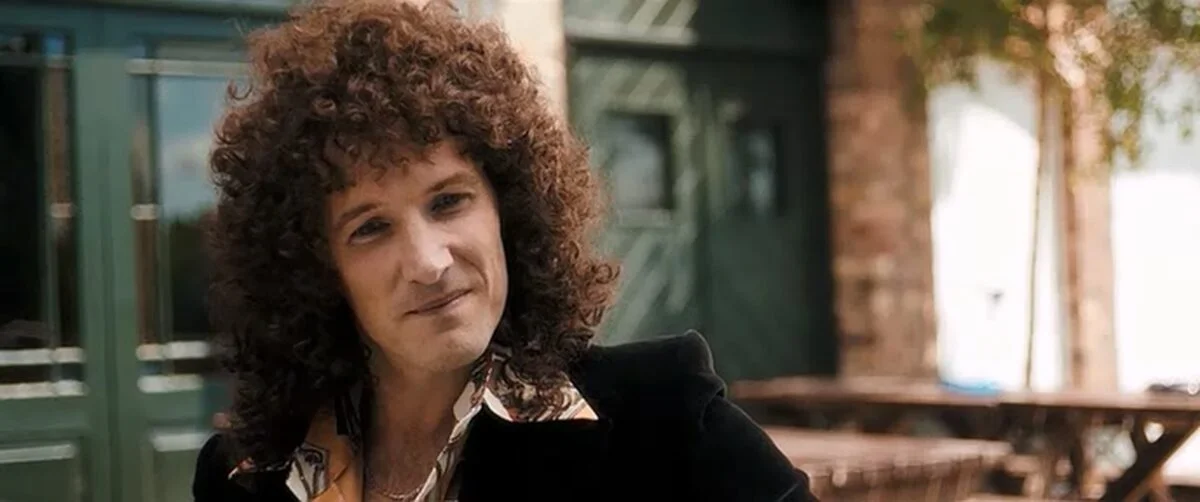
Bohemian Rhapsody Review — The 20-Minute Live Aid Sequence Is Perfect, but I Only Half Believe in This Film’s Freddie
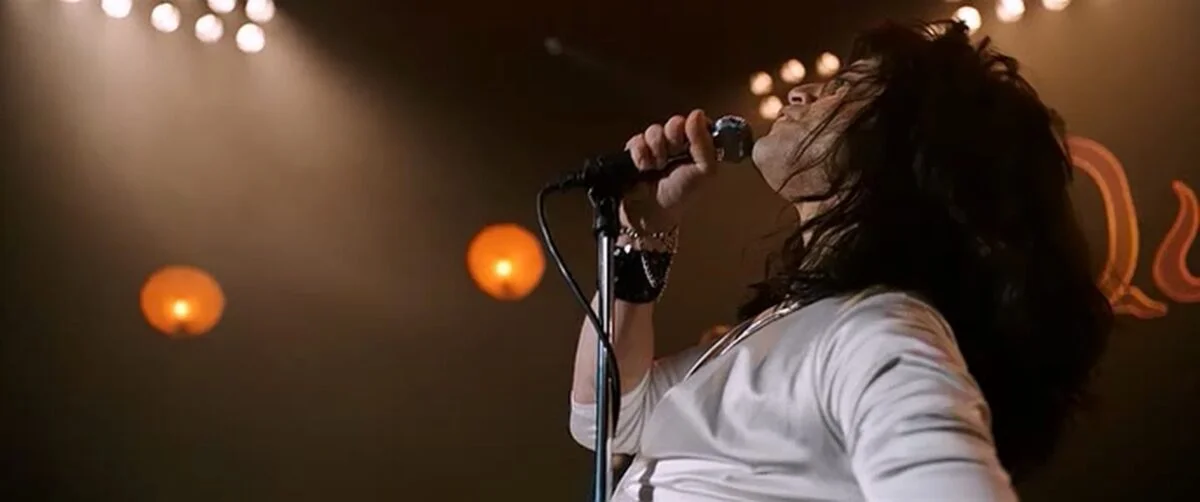
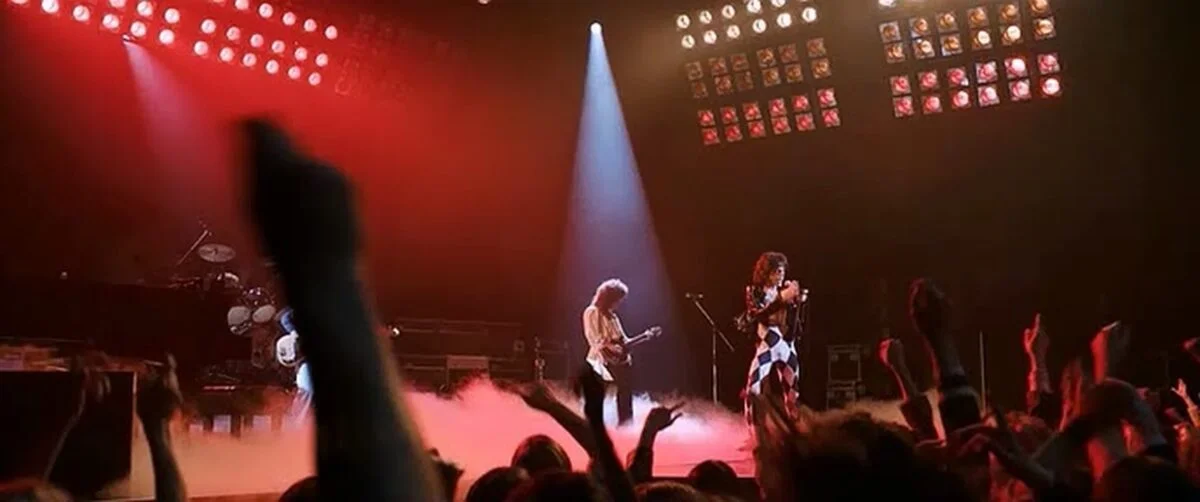
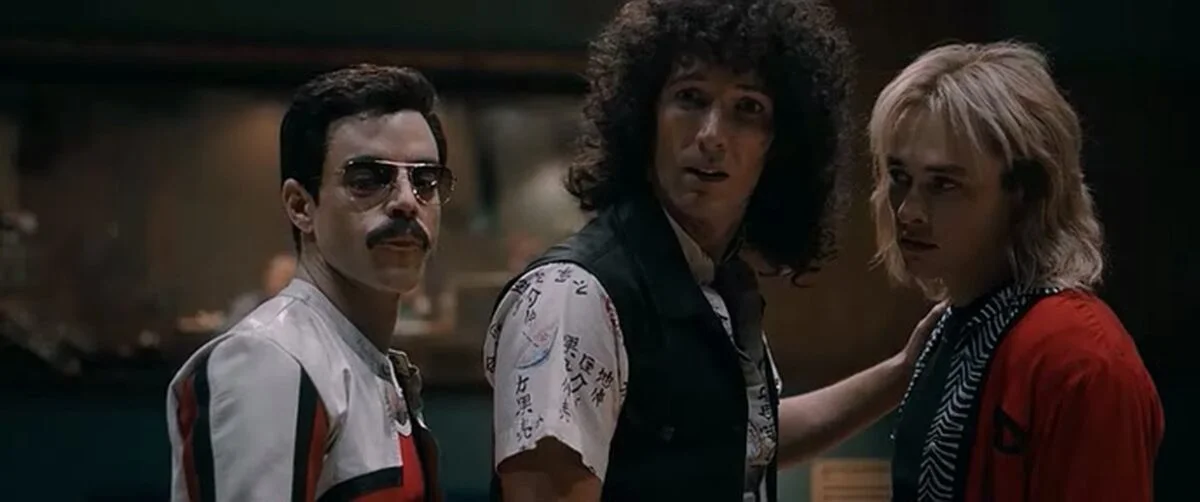
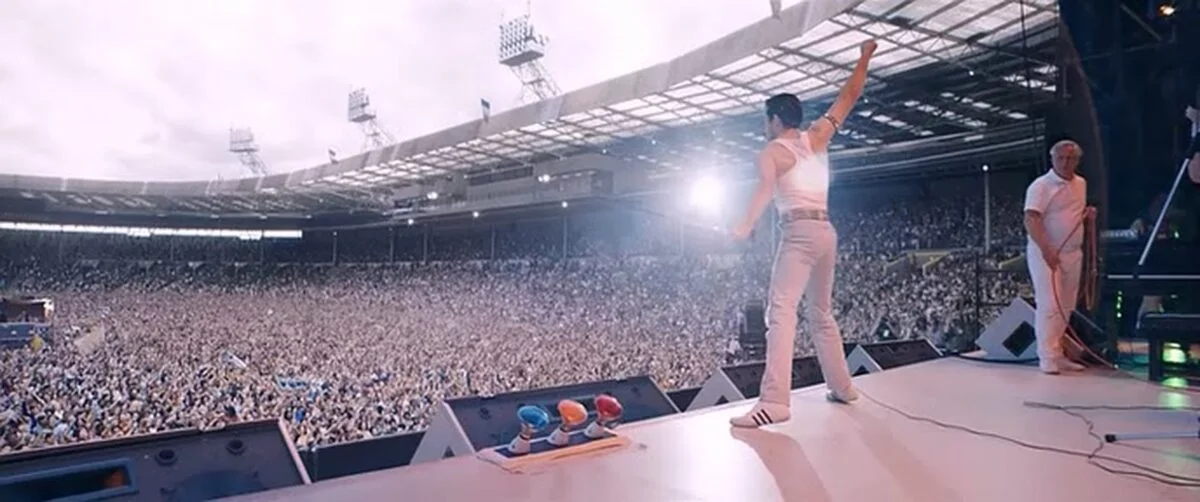
Let me get straight to the point: every time I watch the film’s final 20 minutes—the recreation of Queen’s 1985 Live Aid performance—I get goosebumps. Reconstructed frame by frame against the original footage, down to the set list, costumes, camera movements and even the position of the beer cans on the piano, the sequence represents the highest level of recreation a biopic can achieve.
But when it comes to the human being depicted as Freddie Mercury, I only believe half of what I’m seeing. Between the truth onstage and the truth behind the scenes, the film edits and rearranges far too much.
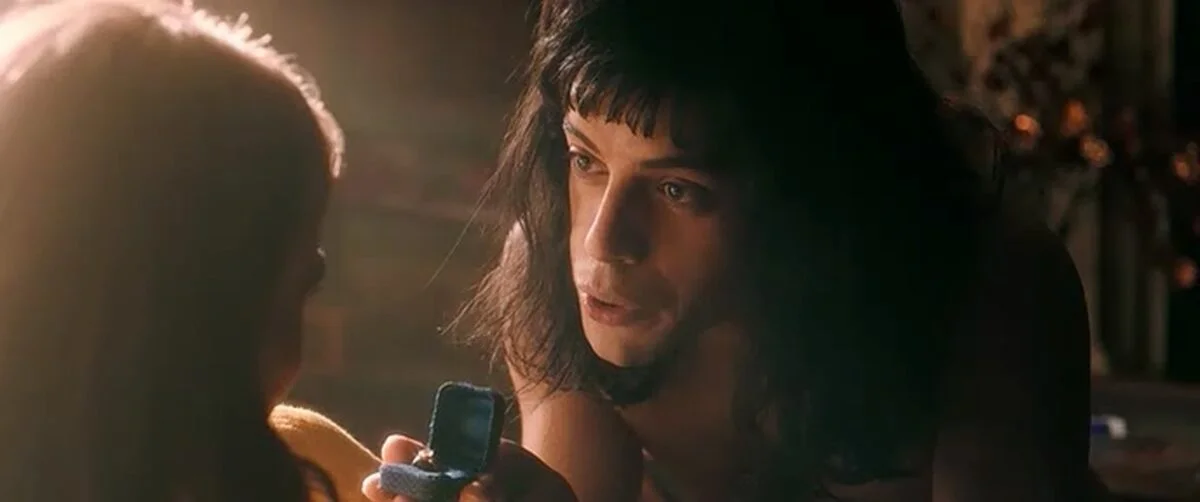
The Onstage Recreation and the Offstage Fiction Are Two Different Films
In effect, this is two different films. One is the collection of concert scenes: stages recreated with an almost documentary level of accuracy. The other is the life story filling the gaps between them—a narrative in which chronology is rearranged, characters are repositioned and events are compressed for dramatic effect.
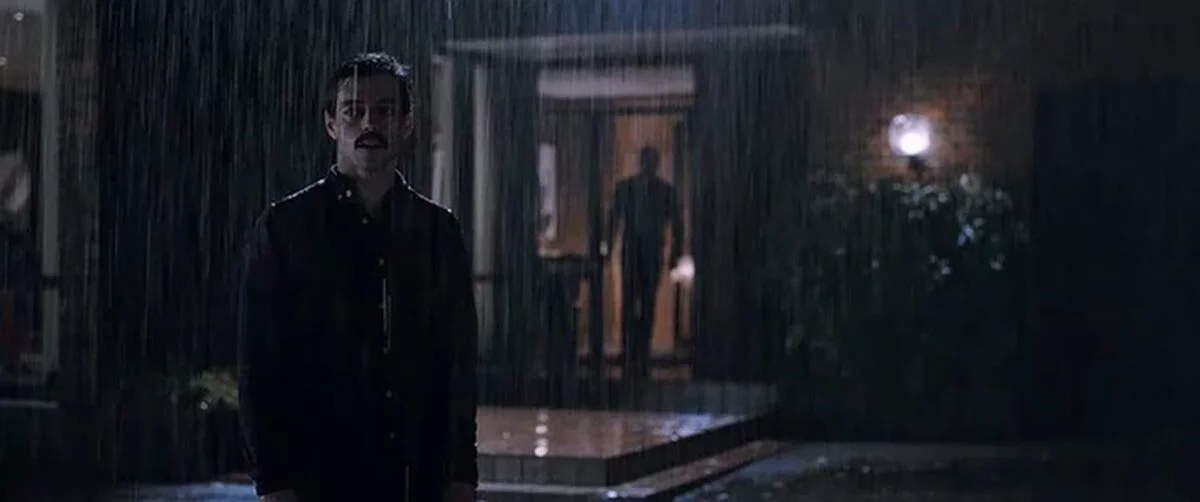
The most controversial example is the timing of Freddie’s HIV diagnosis. The film shows him telling the band that he is HIV-positive just before taking the stage at Live Aid.
In reality, he was diagnosed in April 1987, nearly two years after Live Aid took place in July 1985. This is why critics accused the film of using AIDS as a dramatic twist.
By rearranging the illness as the motivation for his return to the stage, the film was said to fall into the dangerous cliché of presenting AIDS as a kind of punishment for a life of excess.
The chronology surrounding Freddie’s solo career is also inaccurate. The film portrays him as secretly pursuing a solo album behind the band’s back, almost as a traitor. In reality, drummer Roger Taylor had already released two solo albums, in 1981 and 1984.
In other words, individual projects were already an accepted practice within the band. Meanwhile, bassist John Deacon is given almost no presence, while Paul Prenter—the manager who actually outed Freddie—is recast as the corrupting force who lured him into drugs and hedonism.
Why Was the Film Made This Way? A Production That Changed Directors Three Times
The story behind the film’s production is fascinating in its own right.
Although the credits list Bryan Singer as the sole director, he was fired after repeatedly failing to show up on set with only two weeks of filming left. Dexter Fletcher completed the remaining production and post-production work.
Under Directors Guild of America rules, the directing credit remained with Singer alone, while Fletcher was credited as an executive producer.
More significantly, Brian May and Roger Taylor were involved throughout the production as executive producers and musical consultants.
In other words, this is a kind of self-authored biopic: a film in which the surviving members of the band helped edit the story of their departed bandmate and put it on screen.
That helps explain why the message of band friendship and unity is so prominent, while Freddie’s private life and sexual identity are treated with considerably more caution.
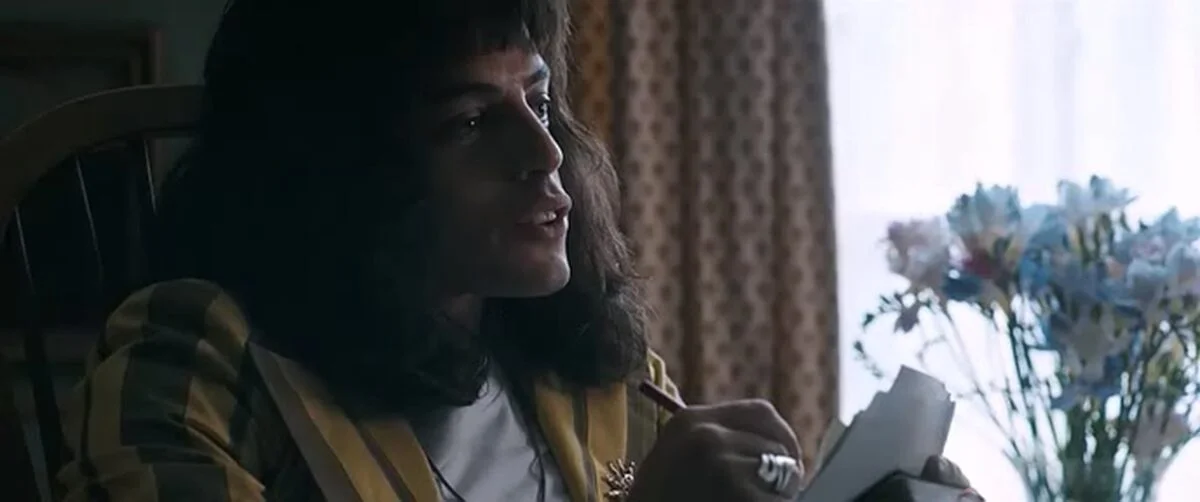
There is an irony here, too.
Beginning in 2019, a series of reports featured allegations from several men who said Bryan Singer had sexually assaulted them when they were minors.
The fact that allegations of an entirely different nature surround the director behind a film about friendship, authenticity and the courage to live as oneself is something that continues to trouble me whenever I revisit it.
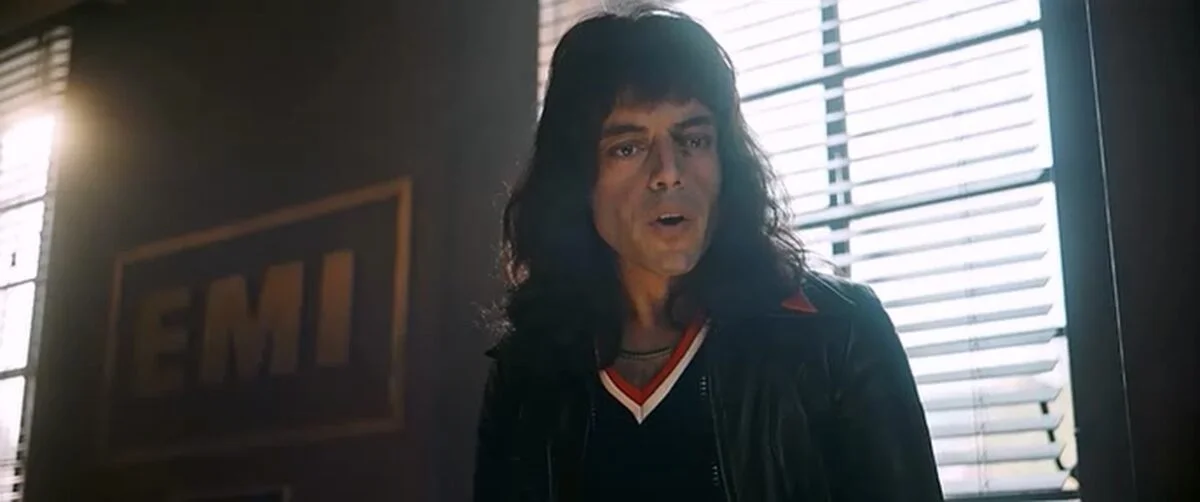
The Real Issue: I’m More Concerned by the “Edited Truth” Than the “Whitewashing”
Of all the criticism directed at this film, I believe the real problem is “edited truth”, rather than the whitewashing of real events.
At one point, Freddie tells Mary Austin, “I think I like men, too,” only for his partner Paul Austin to immediately declare, “Freddie, you’re gay.”
With that one brief exchange, the film effectively erases Freddie’s bisexuality. In reality, he is known to have had relationships with both women and men throughout his life.
The film’s treatment of queer desire is consistently negative.
Freddie’s encounters with Paul Prenter are portrayed as coercive, while even his first meeting with Jim Hutton—who would later become his final partner—is staged as a scene in which Freddie’s consent is disregarded.
By contrast, Freddie’s relationship with Mary Austin is presented throughout the film as the most romantic and stable love in his life. The result is a narrative in which “straight love” is authentic, while a queer life is positioned as a path toward corruption and loss.
Of course, there is a counterargument.
A commercial biopic distributed by a major studio and rated for audiences aged 12 and up can only go so far. And when you have to fit 45 years of a person’s life into a little over two hours, some degree of editing and simplification is inevitable.
But because the editing consistently pushes queer life toward danger and destruction while presenting heterosexual relationships as sources of recovery and stability, I believe the film goes beyond the ordinary bounds of “dramatic adaptation.”
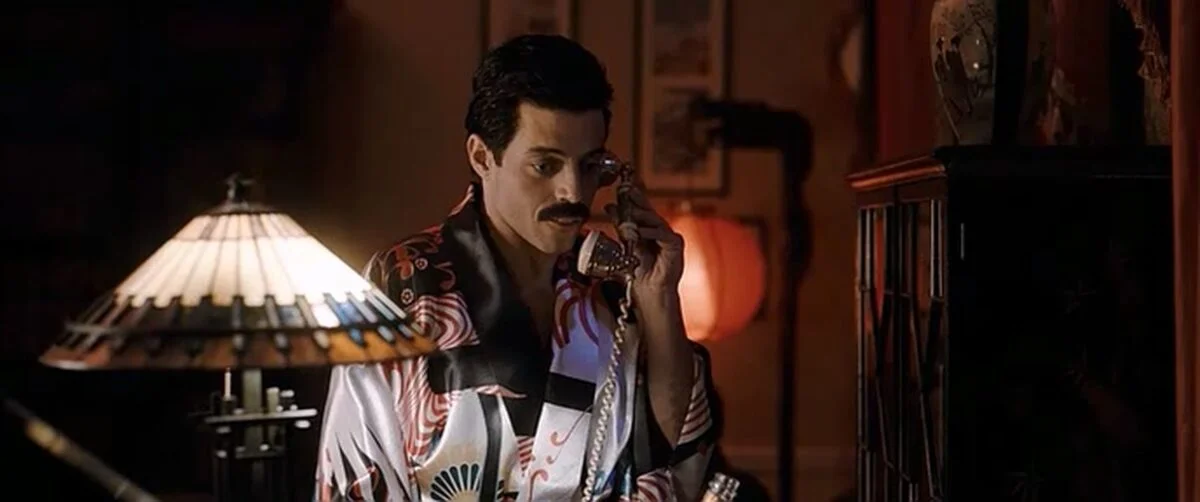
Why I Still Can’t Dismiss the Film
Even so, there is a clear reason I can’t dismiss the film entirely.
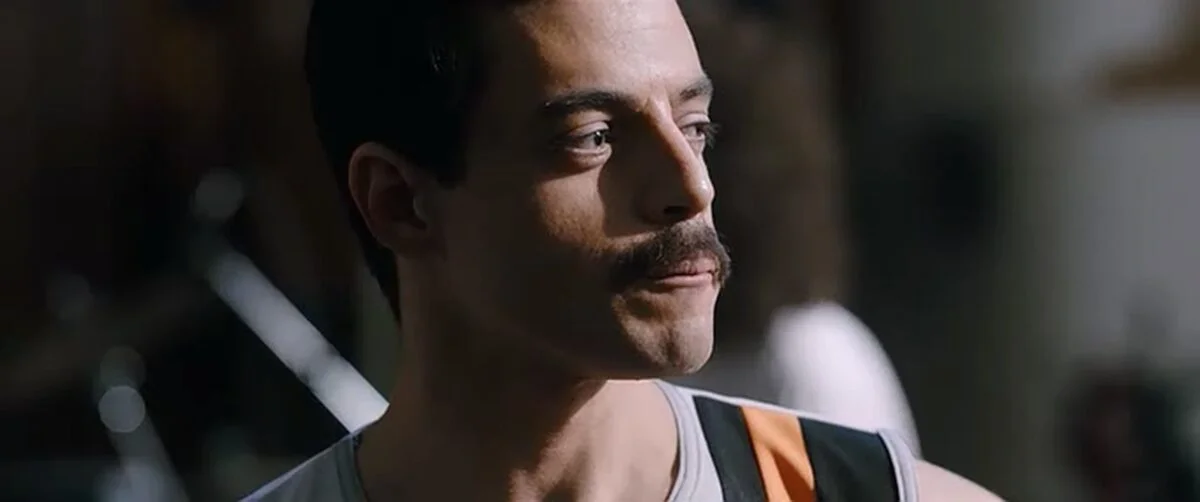
For the role, Rami Malek wore prosthetic teeth designed to recreate Freddie Mercury’s distinctive incisors. He trained in ballet and stage movement, then studied actual concert footage frame by frame until he had absorbed Freddie’s physical language.
It is difficult to deny that this work was validated by his Academy Award for Best Actor.
For the Live Aid recreation, the production built a set at Bovingdon Airfield comparable in scale to Wembley, where the original concert took place, and brought in hundreds of extras to recreate almost the entire set list over the course of 20 minutes.
Whatever the debate over historical accuracy, the emotional catharsis this sequence gives audiences is real.
Its cultural impact is hard to ignore, too. After the film’s release, Queen’s catalogue returned to the charts, and a wave of music biopics followed in cinemas and on Netflix, including Rocketman (2019), about Elton John.
A film that chose myth over facts nevertheless led an entire generation to discover Queen anew.
What It Leaves Us With Today
Watching the film again made me think about the dilemma at the heart of the music biopic as a genre.
When the life of a real person is reconstructed after their death, who controls the story determines the character of the finished work. This film was made with the participation of the surviving band members, who helped shape the story of a colleague who was no longer alive. As a result, the myth onstage is recreated almost perfectly, while the private individual behind it is portrayed cautiously in some respects and distorted in others.
In translating a person’s life to the screen, where does tribute end and editorial manipulation begin? Bohemian Rhapsody leaves us thinking about that boundary long after the credits roll.
Bohemian Rhapsody Verdict — 3.5/5
The performances—particularly Rami Malek’s electrifying recreation of Freddie onstage—and the precision of the climactic Live Aid sequence are so overwhelming that it is easy to understand why the Academy rewarded the film.
But in its treatment of Freddie’s private life and sexual identity, the film raises questions about the basic honesty we should expect from a biopic of a real person. I give it 3.5 stars: it recreates the stage perfectly, but shows only half of the human being behind it.
Frequently Asked Questions (FAQ)
Is Bohemian Rhapsody based on a true story?
The broad outline—the formation of Queen, Freddie Mercury’s life and death, and the band’s 1985 Live Aid performance—is based on real events. But the timing and causality of many details were substantially rearranged for dramatic effect. In particular, the film moves Freddie’s HIV diagnosis to just before Live Aid and alters the chronology surrounding his solo career.
Was Freddie Mercury diagnosed with HIV before the Live Aid concert?
No. He is believed to have been diagnosed in April 1987, while Live Aid took place in July 1985, about two years earlier. The film moves the diagnosis to just before the concert to heighten the drama, a choice that drew criticism at the time for using illness as a narrative device.
Is the criticism that Bohemian Rhapsody distorted Freddie Mercury’s sexual identity justified?
I believe it has merit. The film effectively erases Freddie’s bisexuality and reduces his identity to a line declaring him gay, while turning manager Paul Prenter into a seductive villain and the source of Freddie’s downfall. In reality, Prenter was the person who outed Freddie. By contrast, Freddie’s heterosexual relationship with Mary Austin is portrayed throughout as his most stable and authentic love. Critics argue that this contrast makes queer life appear dangerous.
Why was director Bryan Singer replaced during production?
Bryan Singer was fired by the production company after repeatedly failing to appear on set with two weeks of filming remaining. Dexter Fletcher completed the remaining shooting and post-production. Under Directors Guild of America rules, however, Singer retained sole directing credit, while Fletcher was credited as an executive producer. Singer later faced allegations from several men who said he had sexually assaulted them when they were minors.
Why did Rami Malek win the Academy Award for Best Actor?
He received widespread praise for wearing prosthetic teeth modeled on Freddie Mercury’s distinctive incisors and for carefully embodying the singer’s movements through ballet and stage-movement training. His physical performance, especially in the final 20-minute recreation of Live Aid, played a central role in the film’s four Oscar wins for Best Actor, editing, sound effects and sound editing.
Are there other music biopics similar to Bohemian Rhapsody?
Rocketman (2019), about Elton John and featuring the same producer, Graham King, is often mentioned alongside it. Both films combine the lives of real musicians with elaborate musical performances, but their approaches differ: Rocketman openly embraces fantasy rather than prioritizing factual accuracy. Comparing the two offers an interesting look at two contrasting answers to the question of how far a true story can be adapted.
