
Like Freud, Cinema Paradiso emphasizes the profound importance of childhood.
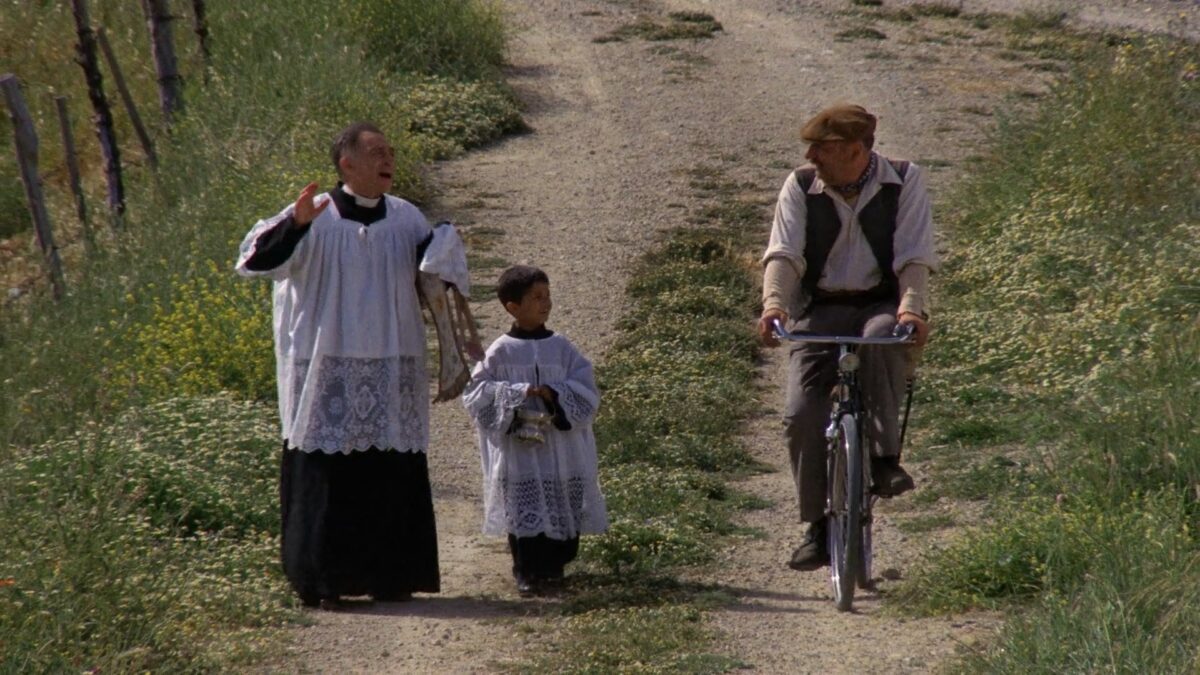
Cinema Paradiso is far more than a nostalgic film about the movies. It is a universal yet deeply painful coming-of-age story about a man who leaves behind the warm fantasies of childhood and the melancholy of home to pursue his destiny. At the same time, it offers a weighty meditation on the nature of art and the transience of life.
The Human Condition and Cinematic Fantasy Behind the Silver Screen
Directed by Giuseppe Tornatore, Cinema Paradiso is a landmark film that shines even more brightly amid the fragmented way we consume moving images in today’s digital age.
The film follows Salvatore—known as Toto—who leaves his hometown of Giancaldo, a small village in Sicily, for Rome, where he becomes a successful and celebrated film director. Thirty years later, he returns home after hearing of the death of Alfredo, his lifelong mentor.
Through its framing narrative, the film moves between a glorious past and the lonely underside of the present, posing sharp yet tender questions about the light and shadow in every life.
For many viewers, the film remains a kind of fairy tale, evoking the warmth of childhood memories and the romance of first love.
Look beneath the surface, however, and weightier psychological themes emerge: the artist’s fate, loss, and mourning.
The cinema that Toto pursues throughout his life is not merely a form of entertainment offering visual pleasure. It becomes a symbolic refuge, standing in for the fatherly love he has lost and the first love he can never reach.
From a psychoanalytic perspective, the cinema functions for Toto as both an immense womb that compensates for the deprivations of childhood, including those associated with the Oedipus complex, and a school where he learns the order of the symbolic world.
This becomes especially clear when we examine Toto’s childhood.
His father leaves for the Russian front during World War II and never returns, leaving Toto with a profound sense of loss.
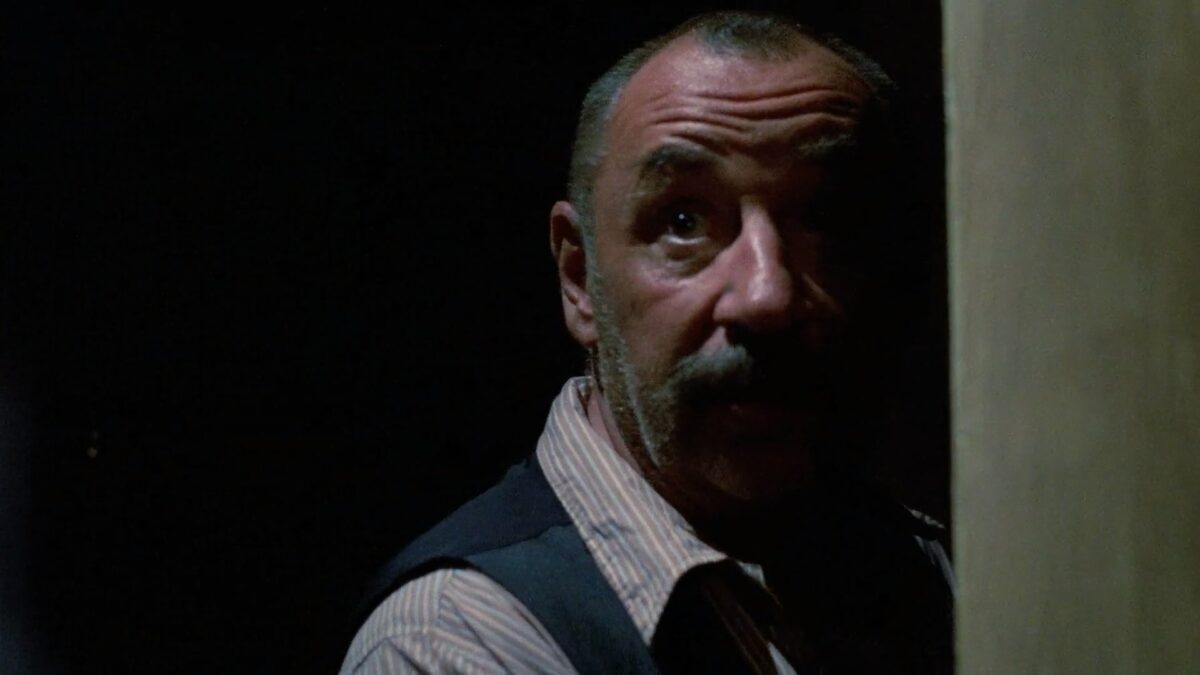
The figure who fills that paternal void is Alfredo, the cinema’s projectionist.
Through lines of dialogue and strips of film, Alfredo teaches Toto how the world works. Sharing the small universe of the projection booth, he becomes both a spiritual teacher and a father figure.
The Double Nature of Nostalgia: A Beautiful Lie or a Record of Healing
As film critics have often noted, the nostalgia at the heart of Cinema Paradiso is not entirely innocent.
According to discussions on Reddit, an online forum shared by film enthusiasts, many viewers interpret the film’s portrait of the past as a “beautiful lie.”
Memory, after all, has an inherent tendency to edit out the painful or tedious moments of the past in order to fill the gaps of the present.
The reality adult Salvatore encounters in Rome is glamorous but hollow.
He is a masterful director who makes brilliant films, yet in his own life he remains an isolated man, unable to sustain or settle into a genuine love.
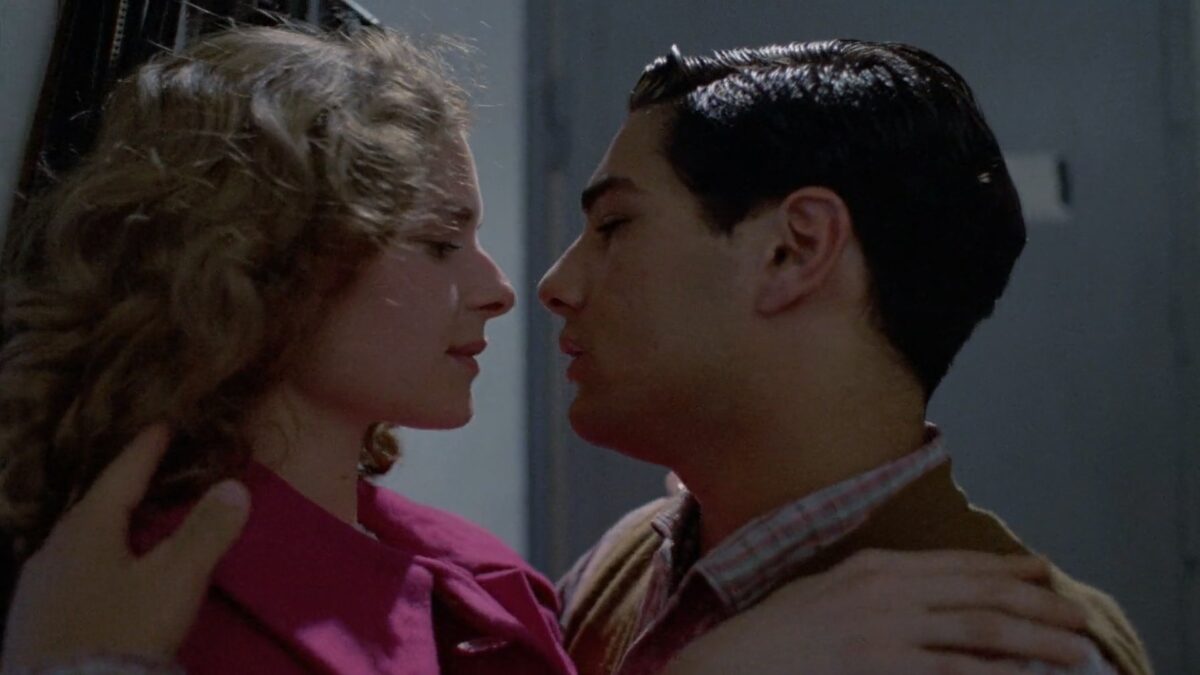
Alfredo urges Toto to leave the village and venture into the wider world, imparting the painful truth that “if you stay here, you’ll come to believe this place is the whole world.” Toto leaves home in pursuit of success, but in the end he must give up both the embrace of his hometown and Elena, the woman he loved.
Here, the film introduces the sharp conflict between art and reality.
Alfredo interferes with Toto’s romance and presses him to leave because he does not want the boy to become trapped in Sicily’s small universe and lose his potential. At the same time, his advice reveals the cruel paradox that an artist must sacrifice the ordinary happiness of real life in order to achieve artistic fulfillment.
Toto goes on to build a life making the great stories of “film,” yet he remains an “observer,” unable to fully live the real life in which he himself is the protagonist.
A Meditation on the Disappearance of Community and Shared Memory
Cinema Paradiso is not merely one man’s coming-of-age story. It is also a tender ode to a communal culture fading away amid modernization and changes in the media.
That is precisely what our daily lives look like today. Neighborhood meetings and gatherings rooted in community culture have all but disappeared. Instead, the normalization of individualism has become the defining feature of our lives.
The Cinema Paradiso in Giancaldo is not simply a movie theater. It is a social square where villagers gather to laugh and cry together and share the joys and sorrows of life.
As Italy struggles to rise from the wounds of war, the cinema serves as a sanctuary where villagers can forget the hardships of everyday life.
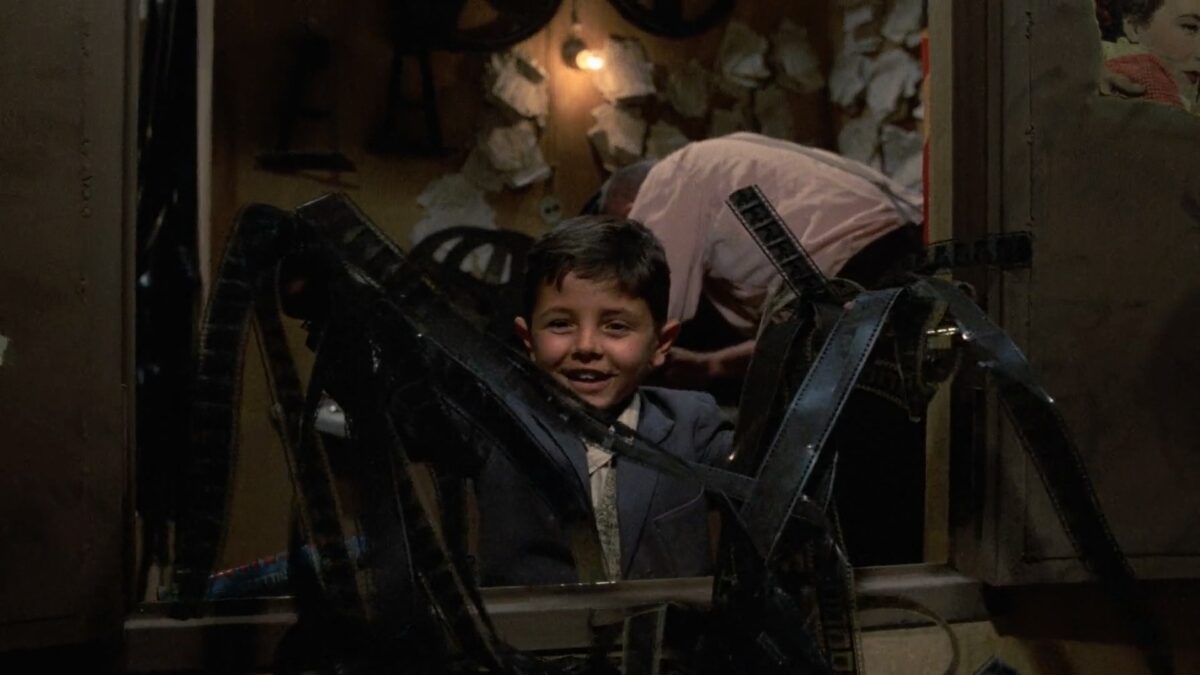
The scenes in which every sweet onscreen kiss is cut by the priest’s censorship symbolize the repression of the society of the time. Yet even within those restrictions, people complete the stories through their own imaginations and forge a sense of solidarity.
But as the times change and television spreads, the villagers retreat into separate rooms. The cinema falls into ruin and is eventually demolished, disappearing into history. Its destruction signifies more than the loss of a physical place; it marks the disappearance of the “shared memory” and communal spirit of people who once breathed together.
In a modern society that consumes fragmented video on personal devices, the film asks us once again what community truly means.
The value of those days when people watched films together and exchanged their emotions may be more than a relic of the past. It may represent the essence of the gentle humanity that modern society needs to recover.
Regret, Mourning, and a New Beginning
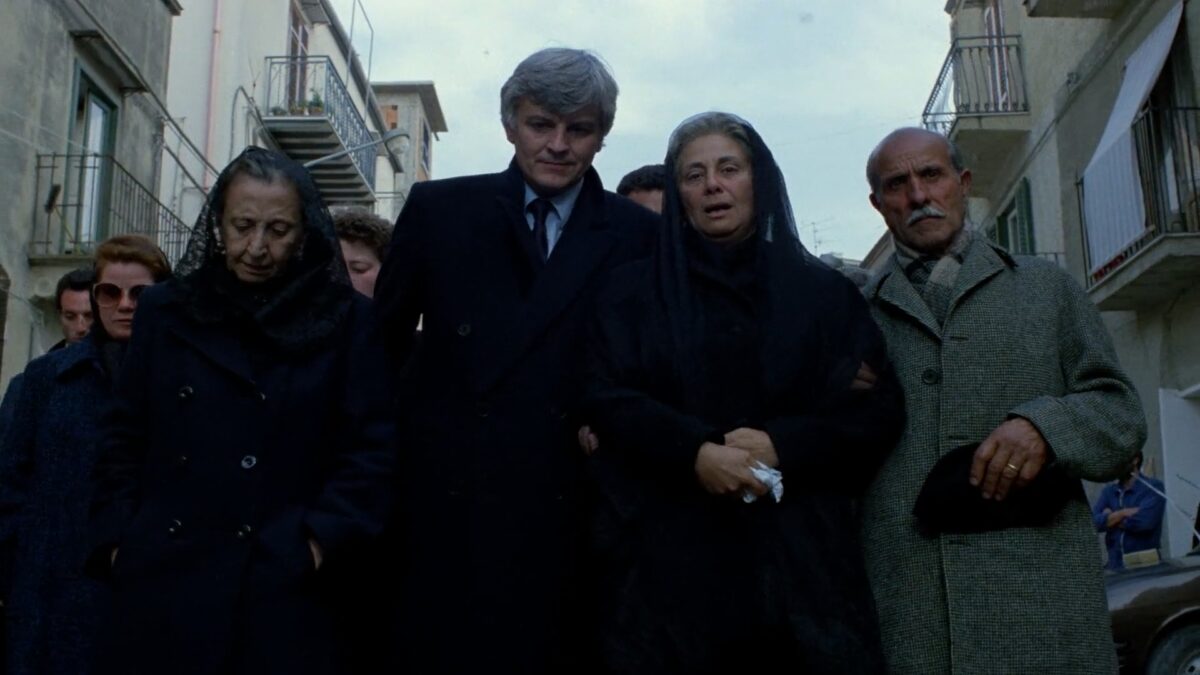
At the film’s climax, Salvatore returns to Rome after the funeral and discovers Alfredo’s final gift.
It is a reel made up of the countless kissing scenes the priest had ordered cut from films during Toto’s childhood.
The scene delivers an extraordinary emotional jolt and catharsis to the audience.
The reel represents the release of the feelings Toto has kept repressed, as well as Alfredo’s tender message of reconciliation with “life and love.”
To Toto, who is leaving without ever making the ideal love found in films a reality, Alfredo offers consolation: embrace all the losses and failures of the past, and affirm life.
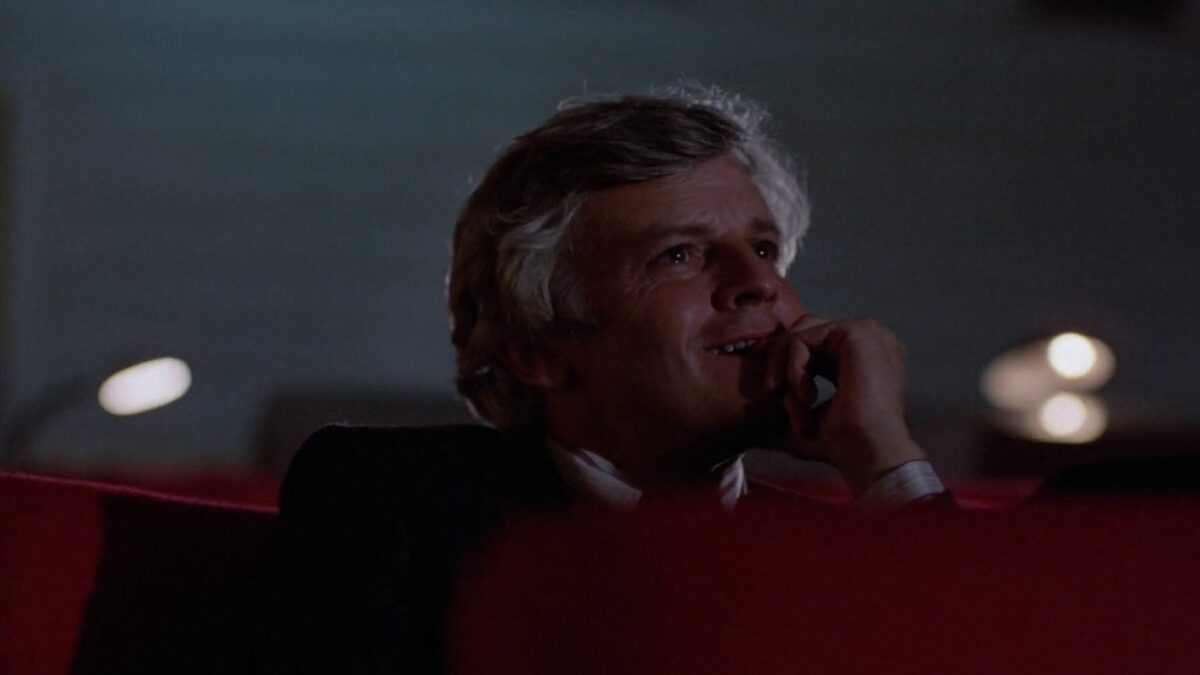
As Salvatore watches the reel, he smiles through his tears. It is not merely an expression of regret for the past, but a portrait of mature mourning—the process of fully accepting loss as part of his own history.
Cinema Paradiso ends on this note of tender consolation, while also asking viewers to accept the bitter truth that life does not offer complete fulfillment.
The love and warmth of home sacrificed for artistic achievement can never be recovered.
Even so, the magic of Toto’s years in the projection booth and Alfredo’s pure passion for cinema remain an enduring source of strength throughout his life.
What the Film Leaves Us With
Ultimately, Cinema Paradiso is not simply a sentimental melodrama or a romantic tale of remembrance. It is a clear-eyed reflection that forces us to confront life’s imperfections—and a tender letter urging us not to lose our human warmth despite them.
Ennio Morricone‘s lyrical, melancholy score perfectly supports the film’s themes, awakening the sensibility buried deep within the audience’s heart.
There is a clear reason Cinema Paradiso continues to move audiences around the world amid the complicated and often harsh realities of modern life.
Every human being is fated to live on memories of the past, experience loss, and turn the page to the next chapter of life all the same.
The film does not ask us to deny the pain of loss or remain forever trapped in the fantasies of the past. Instead, it encourages us to cherish beautiful memories while living fully in the life we have been given now.
Cinema Paradiso proves that even when life does not end with a happy ending like a film, the love, friendship, and shared time we experience within it never truly disappear. In themselves, they are what turn our lives into a paradise.
Just as the light of the screen lingers in our souls long after the film has ended, the work’s tender yet incisive insights will remain a source of warmth we can return to whenever we lose our way in life.
FAQ
FAQ 1. Is Cinema Paradiso based on a true story?
No. Cinema Paradiso is not a direct dramatization of a true story. However, it is widely regarded as a strongly autobiographical work, shaped by director Giuseppe Tornatore’s childhood experiences, his love of cinema, and the communal culture of Sicily.
FAQ 2. What is the meaning of the final montage of kisses in Cinema Paradiso?
The montage of kisses at the end of the film is not merely an edited sequence. It is Alfredo’s gift to Toto: a collection of love scenes that had been censored and removed during Toto’s childhood and that Alfredo preserved throughout his life. It symbolizes the release of repressed emotions, reconciliation with love, and the final message a mentor leaves for his student.
FAQ 3. What kind of character is Alfredo in Cinema Paradiso?
Alfredo is the cinema’s projectionist and serves as a spiritual father to Toto. After Toto loses his father to the war, Alfredo becomes the mentor who teaches him wisdom and how to see the world, ultimately guiding him toward a larger life beyond the village.
FAQ 4. Why is Cinema Paradiso considered a masterpiece?
Cinema Paradiso is more than a celebration of film. It tells a universal human story about growth, love, loss, mourning, and the disappearance of community. Its beautiful cinematography and Ennio Morricone’s music combine to create an emotion that transcends generations, earning it a place among the great masterpieces of world cinema.
FAQ 5. What message does Cinema Paradiso offer modern society?
The film reminds us not to remain trapped in memories of the past, but to accept loss and pain as part of life and continue moving forward. At the same time, it invites us to reconsider the value of community and the importance of human connection in an increasingly individualized society.
