
“Goblin,” a drama often referred to as a “life drama.”
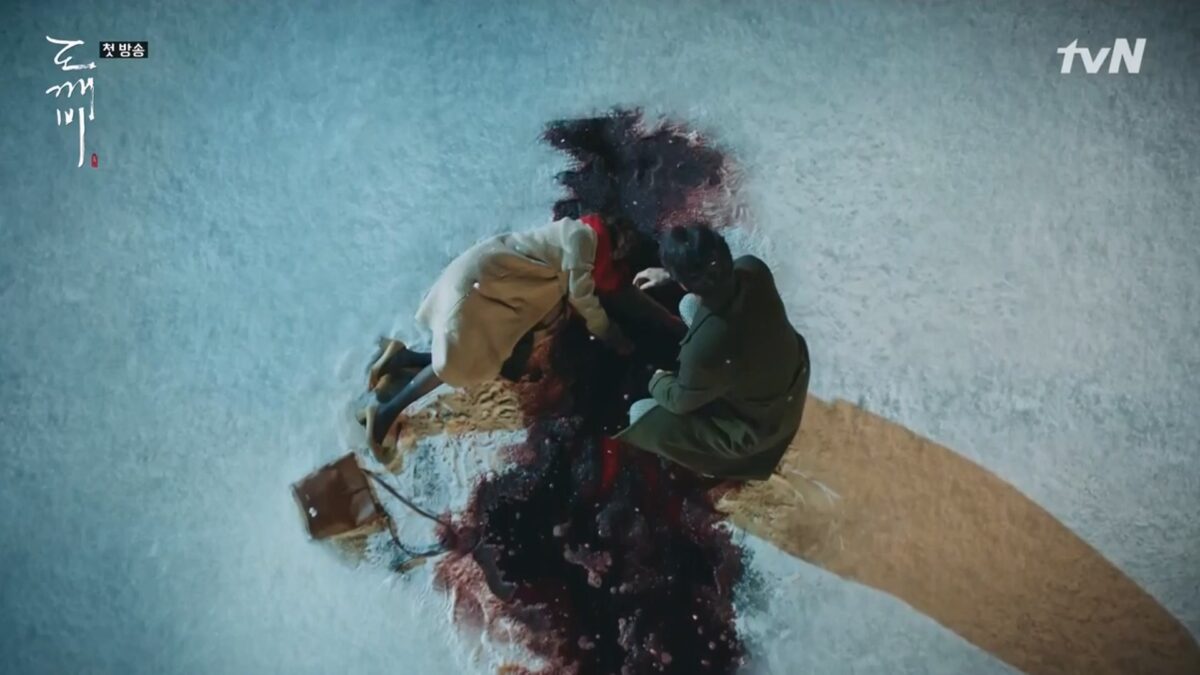
Here begins a commentary on the drama “Goblin,” a masterpiece that was beloved by everyone.
While the drama caused an unprecedented phenomenon upon its broadcast, reaching the pinnacle of K-content, a冷静 analysis of the text reveals that it is a multifaceted work where narrative deception and humanistic achievement clash.
Introduction: The deceptive myth created by the illusion of immortality and the fleeting allure
In popular narratives, fantasy serves as the most powerful mechanism for compensating for the deficiencies of reality.
“Goblin” opens by addressing the void with the concepts of “the finiteness of time” and “the omnipotence of capital.” Kim Shin (played by Gong Yoo), a man who became a god with a sword embedded in his chest, possesses everything that humans desire: eternal youth, the ability to transcend space and time, and limitless wealth.
However, the drama immediately presents a paradox by defining this blessing as a “punishment.” The endless cycle of witnessing the deaths of those around them, a consequence of their immortality, represents the deepest and darkest pit that a romance drama can explore.
The reason this drama completely deceives and captivates the audience lies precisely in this aspect.
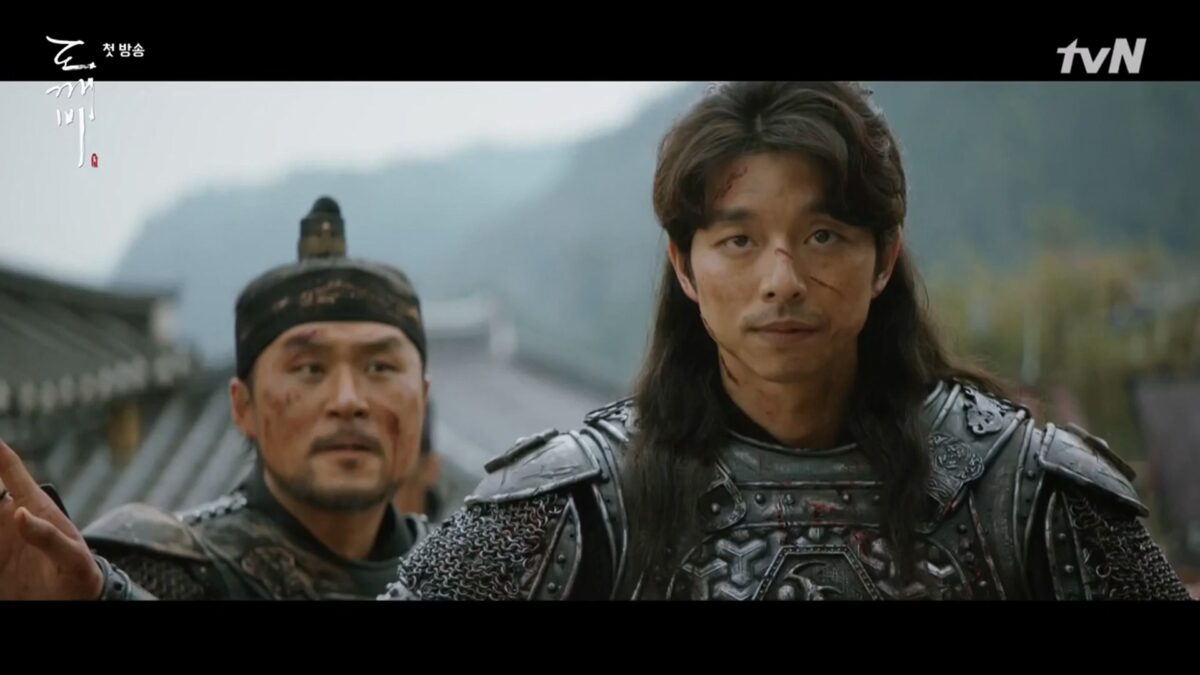
The play showcases Kim Shin’s lonely isolation, while simultaneously presenting the scenery of that isolation with a breathtakingly beautiful visual aesthetic.
Viewers empathize with his suffering while simultaneously consuming the divine allure and the abundance of wealth he possesses. The emotional depth created when these two opposing forces – the harsh punishment of eternity and the fleeting beauty of humanity – collide elevates this work beyond a simple melodrama.
This review aims to highlight the achievements of the sensory direction in “Goblin,” while also critically examining the structural flaws inherent in the plot, the distortion of gender power dynamics, and the human free will that attempts to overcome these issues.
1. Visualization of Solitude and the Modern Spatial Aesthetics of Life Drawing
The first pillar supporting “Goblin” is Director Lee Eung-bok’s meticulous mise-en-scène, which perfectly compensates for the lack of narrative coherence.
In this drama, the camera is not merely a tool for following the movements of the characters.
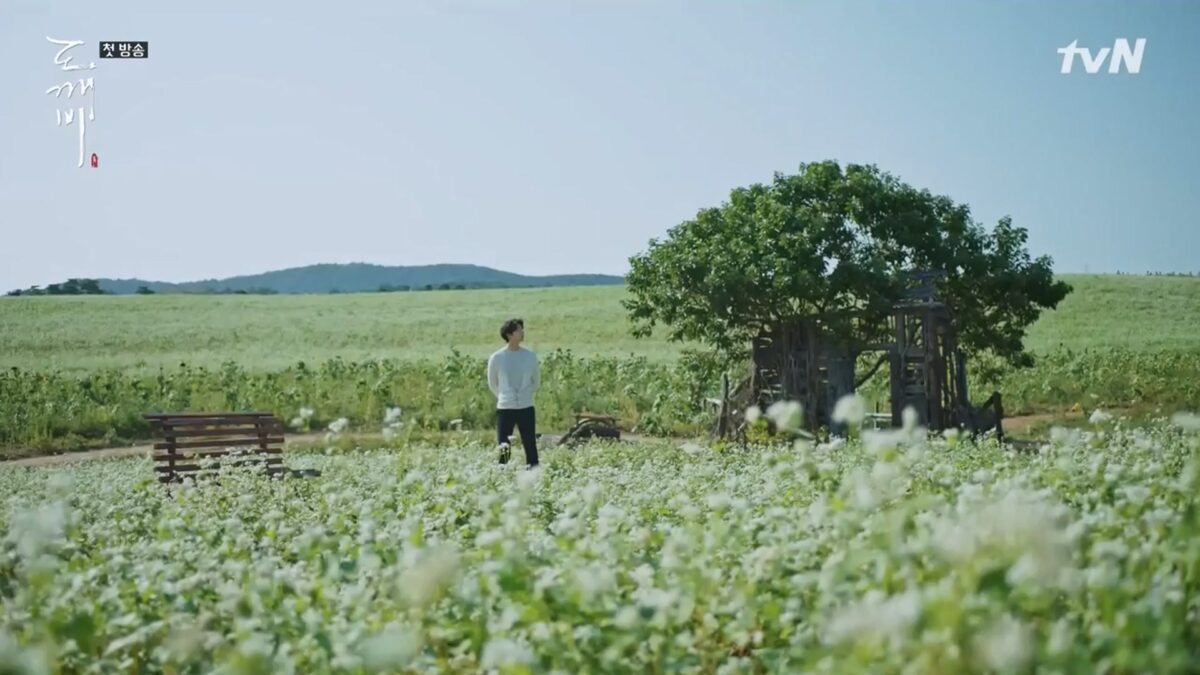
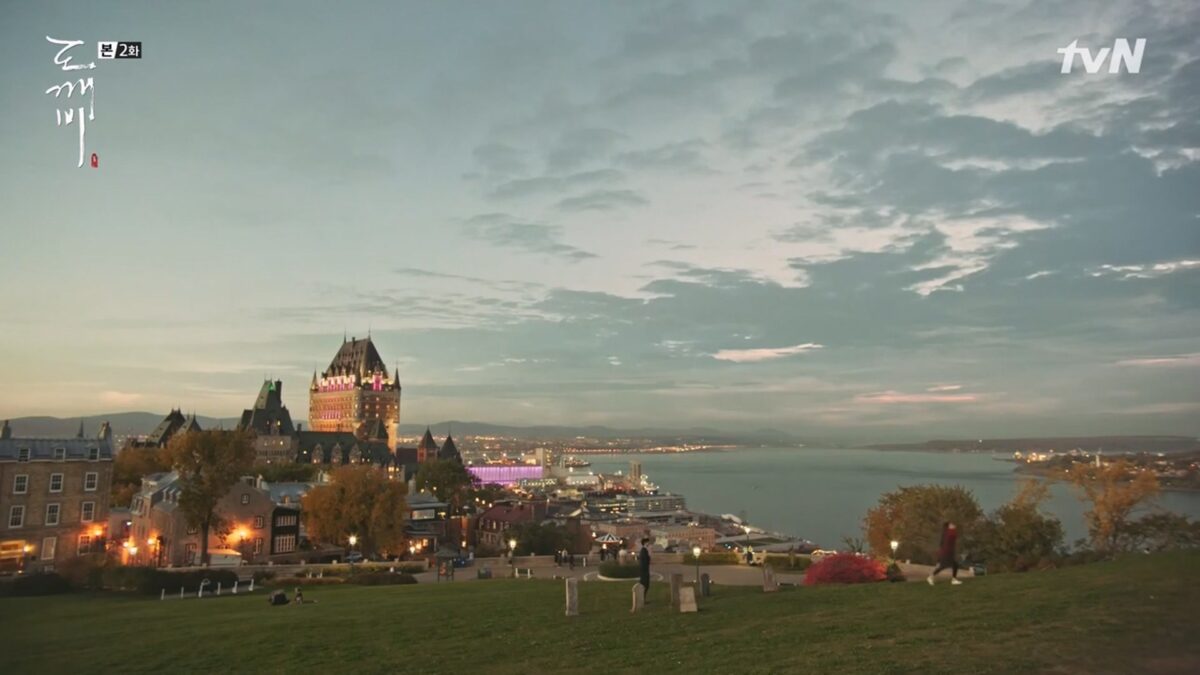
The red autumn leaves lining the streets of Quebec, Canada, where Kim Shin walks alone, or the pristine white buckwheat fields, are not simply displays of picturesque locations.
It is a vast metaphor that visualizes the inner exile and the harsh reality of loneliness experienced by a divine being who was unable to find a place in the mortal world for 900 years.
The director’s ability to convey the invisible emotion of sadness solely through variations in the video’s color tones and natural light was a powerful aesthetic device that paralyzed the viewer’s rational critique.
In particular, the most ingenious spatial innovation achieved by this work lies in its modern reinterpretation of traditional studio designs.
Traditional Korean shamanistic beliefs and the Buddhist concept of the afterlife are generally depicted as dark, bizarre, and terrifying abysses.
However, “Goblin” replaced this afterlife realm with a pristine “Underworld Teahouse,” characterized by a minimalist style with a predominantly white color scheme.
While drinking a cup of warm tea offered by the Grim Reaper (played by Lee Dong-wook), which induces forgetfulness, and leaving behind the sorrows and memories of the living, this space allows one to accept death not as a cruel separation from life, but as a dignified conclusion and the beginning of another journey.
This spatial aesthetic had a practical persuasive power that eliminated the instinctive aversion that viewers might have towards the heavy subject of death.
The visual pleasure that so brilliantly and cleanly packages sadness is the first key that makes the public willingly participate in this tragic worldview.
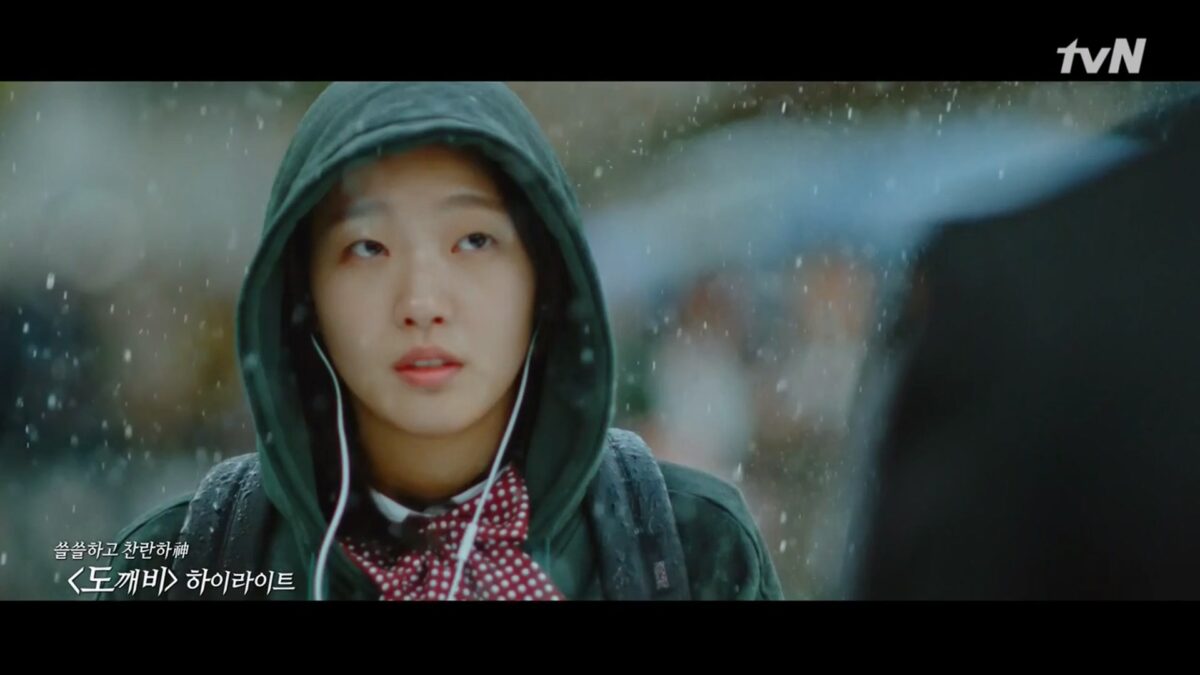
2. The Breakdown of Causality and the Pitfalls of Sentimental Plot Devices
However, when the visually appealing aspects are removed and the narrative structure is examined, glaringly obvious and pervasive flaws become apparent.
The most critical flaw is that the meticulously and extensively established rules of the world, built up in the first half, are easily postponed and adjusted according to the author’s narrative convenience as the story progresses into the second half.
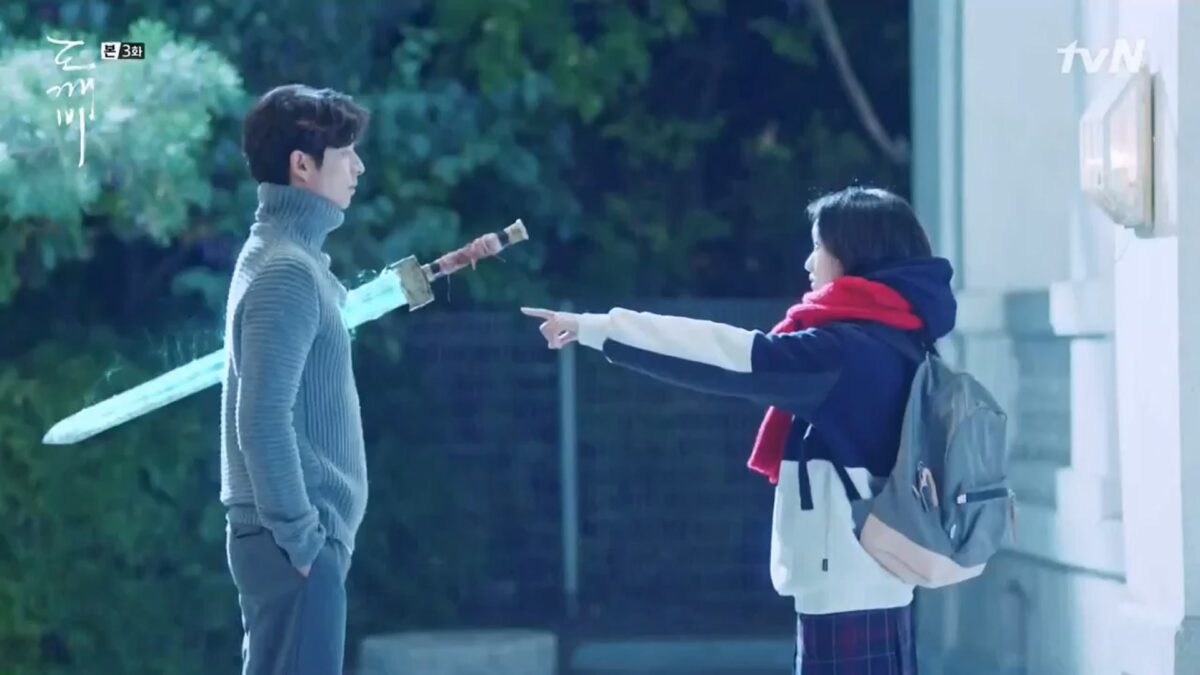
The sword embedded in Kim Shin’s chest was the only means to return him to nothingness, and it was an absolute “system rule” that only the Goblin Bride could remove it.
As a genre-based work, this rule must be an unchangeable constant in order to maintain the tension of the story.
However, as the story progresses, the uncertainty surrounding the conditions under which the sword is drawn, and the illogical sequence of events where Kim Shin, after disappearing into the “world of nothingness” upon the sword being drawn, is resurrected back into the mortal world, completely contradict the logical cause-and-effect relationships and the meticulous foreshadowing that were present earlier.
The drama attempts to resolve the cracks in this vast world-building by using a common melodrama trope: “a miraculous love that transcends time and space.”
The narrative, where what seems like an absolute and divine punishment and the laws of the universe are stretched and reversed like a rubber band, depending on the characters’ personal feelings and the amount of tears shed, ultimately undermined the structural integrity of the text.
Instead of a tightly woven plot, this approach, which attempts to fill narrative gaps with characters’ desperate cries, evocative dialogue, and excessive music, represents the limitations of a typical Korean melodrama.
For audiences who were anticipating a tactical struggle against a grand, mythical fate , the latter half of the story can only be interpreted as an emotional compromise dictated by the author’s convenience, rather than a battle against a god who created the rules .
Without the dazzling distraction of its visuals, this plot would have collapsed early due to the weight of its logical flaws.
3. Variations of patriarchal fantasy and contradictions in narratives of subjectivity
The composition of characters and the imbalance of power relationships between them are also points that are most sharply criticized by critics in the field of popular culture.
Within the absolute timeframe of 900 years, Kim Shin, a male god who has accumulated infinite material wealth and omnipotent physical superpowers, and Ji-eun Tak (played by Kim Go-eun), a high school student who is currently suffering from abuse and poverty within her foster family and must worry about college application fees, represent the most extreme and dangerous variation of the “Cinderella complex,” a chronic problem in the Korean romance genre.
Whenever Ji Eun-tak faces a crisis, she summons the goblin by extinguishing a candle, and the goblin uses his immense wealth and power to easily resolve her real-world difficulties (such as threats from loan sharks, housing problems, and tuition fees). This narrative structure, which presents a seemingly sophisticated fantasy, is essentially a patriarchal protective narrative.
The patriarchal power structure, where the survival and safety of the female protagonist are entirely dependent on the mercy and abilities of the male protagonist throughout the entire narrative, is highly distorted.
Of course, the narrative progresses to the latter part of the story, where Ji Eun-tak, who was not originally listed, chooses to make a proactive sacrifice, giving up her predetermined future and her life to save the kindergarten children, as she is categorized as an “other omission” on the list.
However, this is more akin to a post-hoc attempt to mask the inherent patriarchal nature of the male-centric narrative that persisted throughout the first half.
“Guardian: The Lonely and Great God” ostensibly portrays a modern and independent female character who defies fate, but in reality, it is a duplicitous text that subtly exploits the public’s worldly desires for salvation from the realistic shortcomings women experience, achieved through the overwhelming financial power and divine authority of men.
4. The overturning achieved through the interplay of reincarnation and human free will
Despite this, the drama did not degenerate into a mere commercial product or a flawed text, and it ultimately retained a substantial “core” of humanistic value. This is thanks to the philosophical depth of the author’s perspective on the Korean concept of determinism.
The work establishes a unique worldview based on Buddhist concepts of reincarnation, dividing human life into four stages (the stage of sowing seeds, the stage of providing water, the stage of harvesting, and the stage of using the harvest). Within this intricately designed divine plan, humans appear powerless, like mere chess pieces.
However, the core message that the drama truly aims to convey lies in the “free will” of humans, which ultimately creates a significant crack in the rigid framework of fate imposed by the divine.

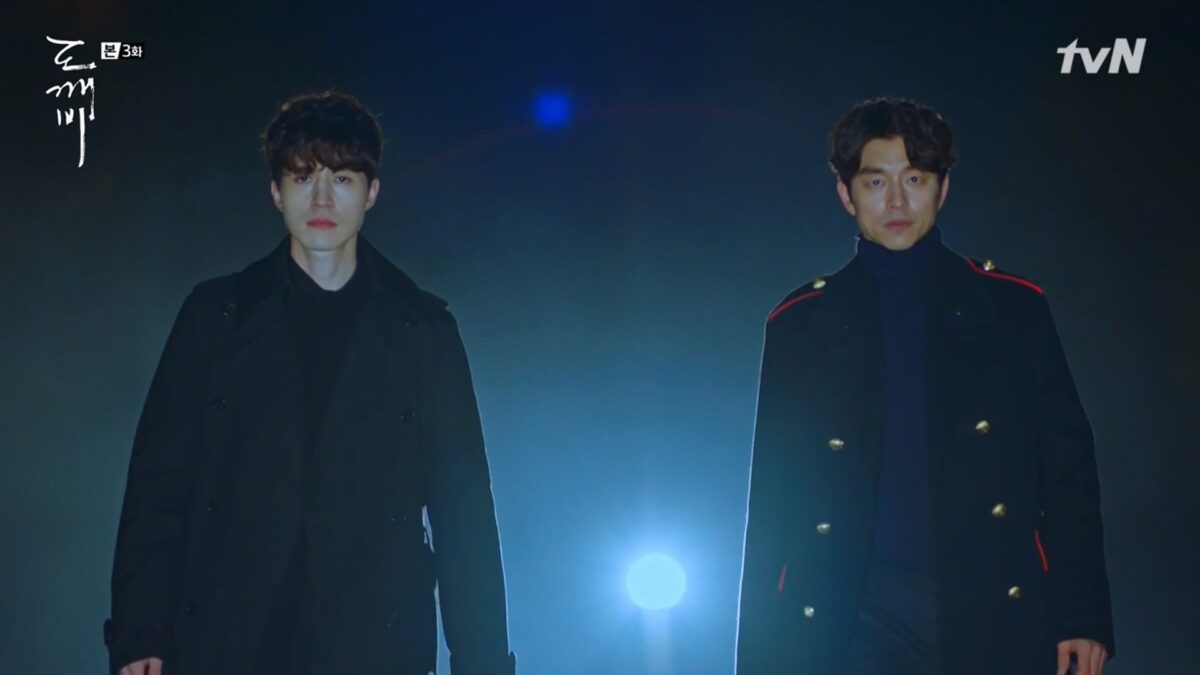
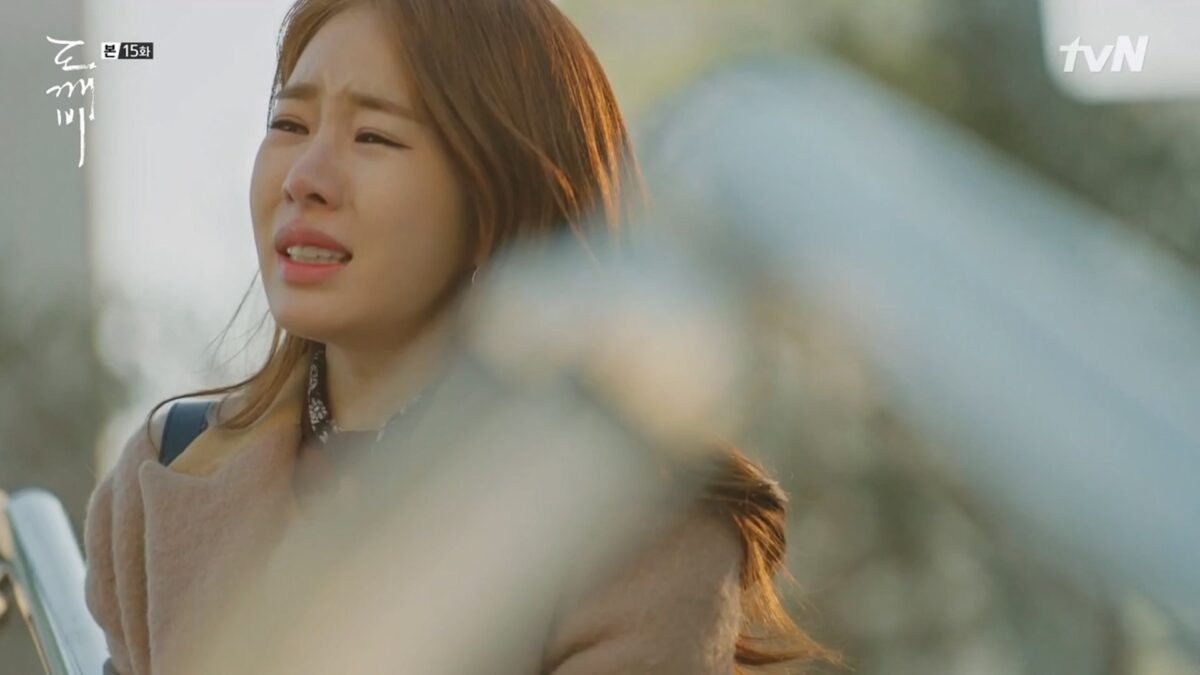
The Grim Reaper (played by Sunny, also known as IU) and Sunny are bound by a tragic past life and shared memories, leading them to initially resent each other. However, the story demonstrates a process of growth where they confront their sorrow in the present life, mourn their own memories, and ultimately choose to separate.
Furthermore, Ji Eun-tak’s willingness to sacrifice herself for the lives of others, rather than fleeing from the harsh test presented by the god, is the only and most valuable counter-argument that humanity can offer to the arrogance of an omnipotent god.
“God only poses questions; miracles are the result of human longing and choice,” a message conveyed in the play, perfectly compensates for any weaknesses in the plot, creating a profound and thought-provoking experience.
This existentialist attitude, where miracles are achieved not through divine grace or luck, but through human choice, represented the most elegant form of comfort that a commercial drama could offer.
Viewers realize that the seemingly trivial moments of everyday life, which we often encounter, are actually great miracles created by our own will, going beyond a simple romantic comedy. This realization provides a profound resonance.
Conclusion: A brilliant masterpiece of deceptive comfort for the public’s shortcomings
In conclusion, “Goblin” may be a work that deceives its audience narratively, as it relies on visuals and witty dialogue to compensate for a plot with holes, especially for viewers who demand precision and a tightly woven cause-and-effect relationship in genre works.
The convenient plot developments and distorted gender power dynamics in Korean romance dramas are clearly outdated legacies that must be overcome in the future.
However, the unique achievement that will undoubtedly be recorded in the history of popular culture is the ability to completely transform the goblins and the psychopomps, which previously existed only as objects of fear or humor in classical folklore, into human subjects who experience extreme loneliness and isolation in modern life.
This drama demonstrates that a well-crafted narrative is not simply about flawless hypothesis verification and deduction, like a mathematical formula.
It serves as the most insightful indicator of popular culture, demonstrating that its value is determined by how effectively it addresses the collective loneliness and emotional deprivation shared by the public, using sensory imagery and humanistic questions.
Thus, despite its narrative flaws, “Goblin” will be remembered as a captivating and melancholic masterpiece that celebrates the fleeting nature of human life, much like a flower that blooms and withers with the changing seasons, urging us to cherish every moment.

FAQ
Q1. What is the main reason why the drama <Goblin> is still considered a masterpiece?
The primary reason is that, going beyond the typical fantasy romance, it explores universal themes of human life and death, love, separation, destiny, and free will, all while presenting them with stunning visuals. The combination of excellent direction, soundtrack, acting by the cast, and philosophical dialogue has made it a work that continues to be widely discussed and appreciated over time.
Q2. What is the biggest drawback of “Goblin”?
The most significant weakness is that the rules and settings of the world become too flexible and change to fit the emotional narrative, especially in the latter half. In particular, the Goblin’s sword and the resurrection process were criticized for not adequately explaining the rules established in the beginning, resulting in a lack of plausibility.
Q3. What were the reasons for the controversy surrounding “Goblin”?
The most frequently discussed aspect is the romantic relationship between the goblin, who has lived for 900 years, and the high school student, Ji Eun-tak.
While some viewers accepted it as pure fantasy, others raised critical perspectives, pointing to the imbalance in age and power dynamics as a problem.
Q4. What is the core message conveyed by the drama “Guardian: The Lonely and Great God”?
The work conveys the message that while fate may be predetermined, the final choice ultimately rests with human will. It suggests that even death and separation are part of life, and that how one chooses to live within a limited time is the greatest value of human existence.
Q5. Even now, is “Goblin” a drama worth recommending?
It is definitely worth recommending. However, rather than expecting a perfect narrative, if you focus on the excellent direction, visual artistry, the actors’ performances, and the philosophical themes, you can more deeply appreciate the true appeal of the work.
