
After Earth Review — The Film Will Smith Called “The Most Painful Failure of My Career”
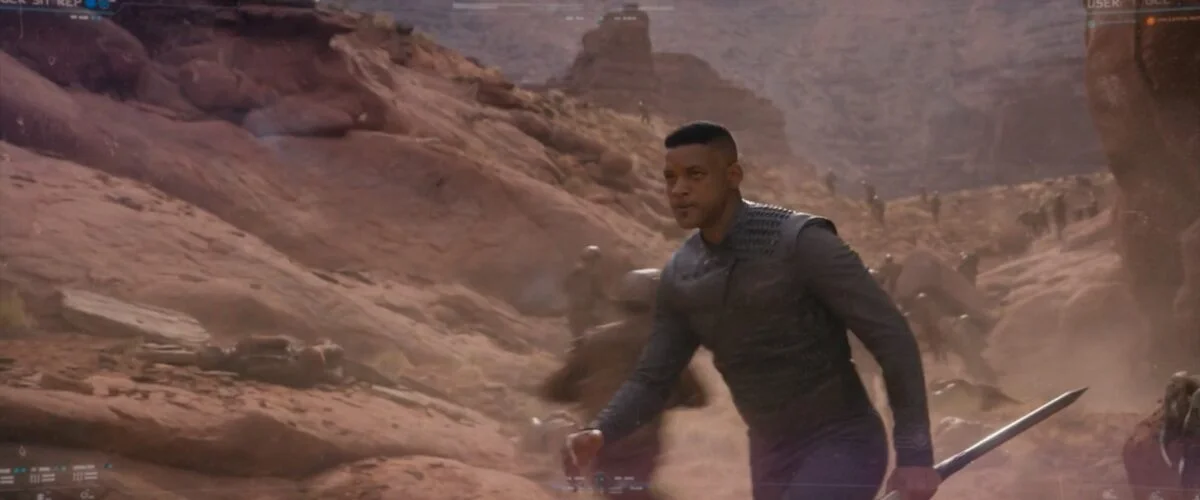
In a 2015 interview, Will Smith personally described After Earth as “the most painful failure” of his career.
He said it hurt even more than Wild Wild West, another film often cited as one of his career’s darkest misfires.
So why revisit a film its star himself has effectively disowned? The answer is simple: After Earth is more than just a failed blockbuster. It is a fascinating case study in how ambitious filmmaking can go wrong.
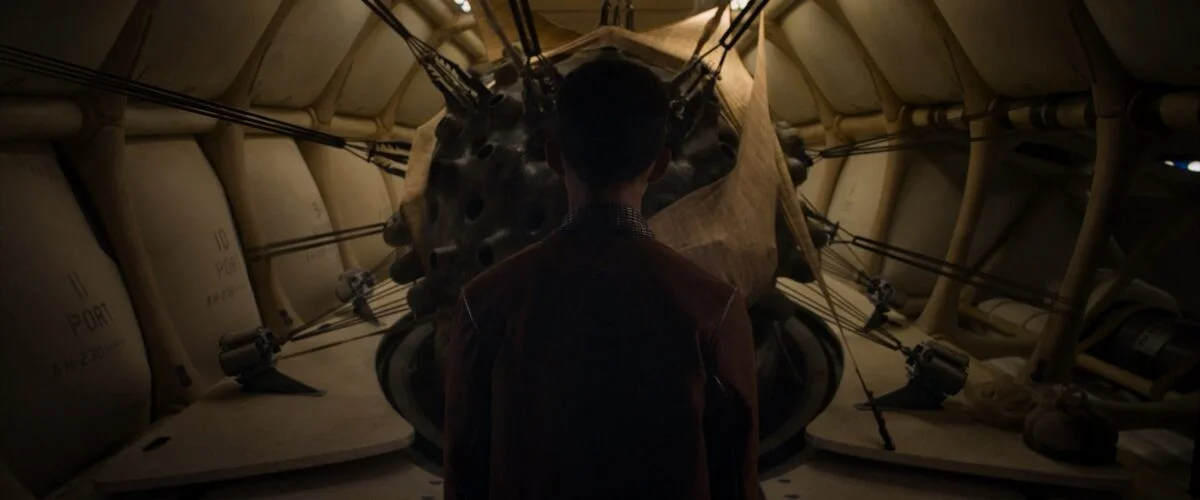
A Story Built by a Father, a Burden Carried by a Son
After Earth began with a story conceived by Will Smith himself.
He came up with the idea while watching survival documentaries with his brother-in-law, Caleb Pinkett. What started as a story about a father and son surviving in the wilderness evolved into a science-fiction adventure set 1,000 years in the future.
Smith gave screenwriter Gary Whitta a one-line premise: “A father and son crash-land on an abandoned Earth.” But he did not stop there. He envisioned the film as the launchpad for a vast multimedia franchise called “1000 AE,” complete with sequels, a television series, video games, theme parks and more.
The problem was that he placed his own son, Jaden Smith, at the center of this ambitious project.
The director was M. Night Shyamalan, who had launched his career with The Sixth Sense. A story created by the father, the father appearing in a supporting role, and the son taking the lead: the arrangement prompted accusations of blatant nepotism even before the film opened. In the end, those fears proved well founded.
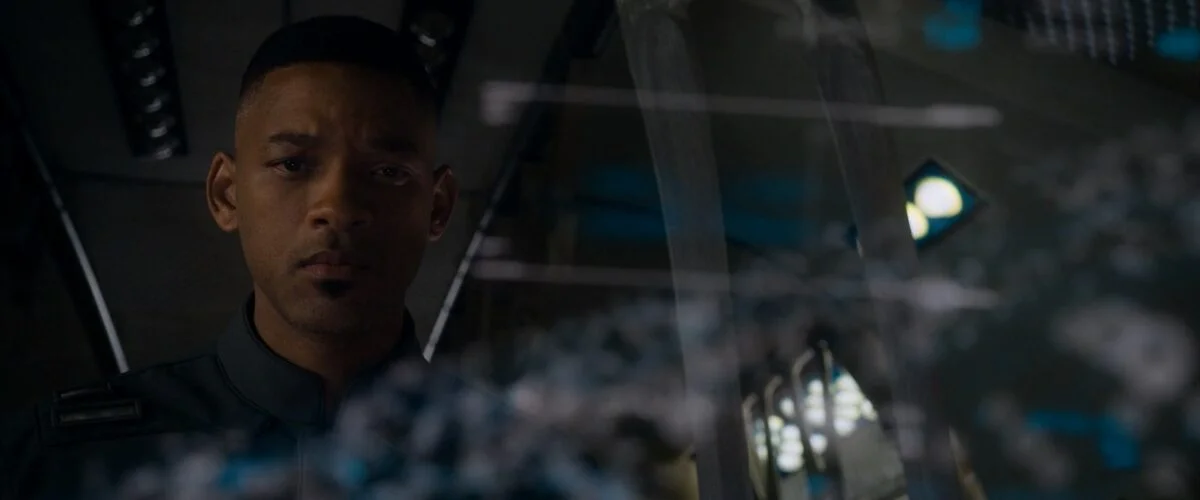
The Box Office Held Up, but the Reviews Were Brutal
With a production budget of $130 million and total spending approaching $230 million once marketing was included, the film earned $243.8 million worldwide—just enough to come close to breaking even.
Critics, however, responded with something close to a full-scale assault. The film scored 12% on Rotten Tomatoes and 33 on Metacritic. Wall Street Journal critic Joe Morgenstern opened his review by asking, “Is this the worst movie ever?” Guardian critic Peter Bradshaw gave it one star and called it “a triple whammy of bad acting, bad direction and bad storytelling.”
At that year’s Golden Raspberry Awards, or Razzies, the film swept the categories for Worst Picture, Worst Actor for Jaden Smith, Worst Supporting Actor for Will Smith, and Worst Screen Combo. Father and son were effectively named the year’s worst actors for the same movie.
A Cool-Headed Assessment: Much of the Criticism Was Deserved
To be honest, without trying to soften the verdict, much of the criticism was deserved.
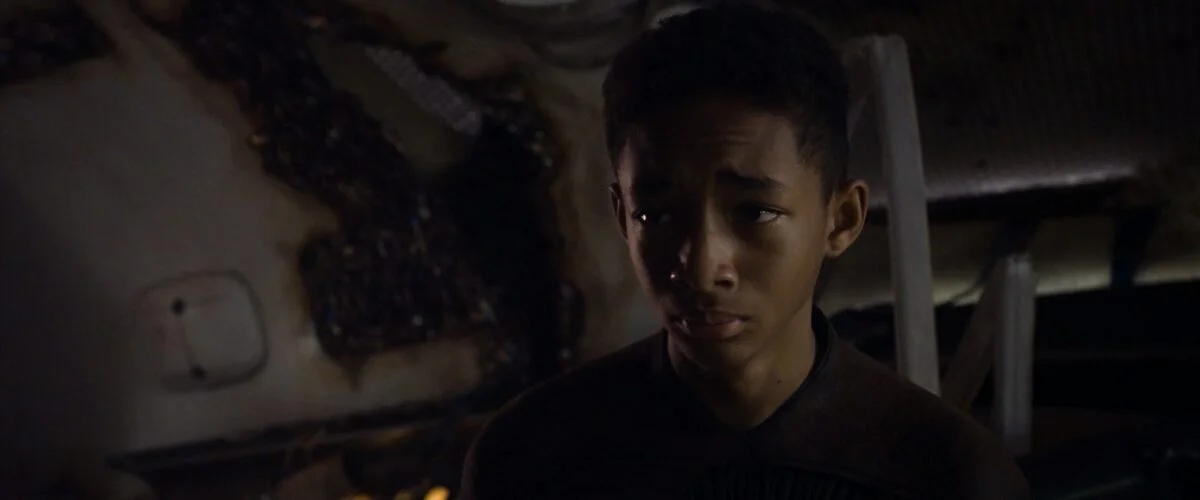
The biggest problem is Jaden Smith’s performance. As the lead actor, he has to carry most of the film on his own, but he never generates enough emotional range to make the central story—a battle against fear—come alive.
Shyamalan’s trademark slow, static style also works against the film. Instead of building tension, it creates tedium. The pacing drags, the dialogue is expository, and the emotional restraint often comes across as blankness.
That said, I would not call it an entirely worthless film.
Matt Zoller Seitz of RogerEbert.com gave it three and a half stars out of four, describing it as “a moral drama disguised as a science-fiction blockbuster” and “a handsome, thoughtful film.” There is some merit to that reading.
The production design and world-building, which depict an Earth whose ecosystem has evolved after humanity’s departure, clearly received considerable care. The basic premise—a son trying to prove himself beneath his father’s shadow—is not a bad one, either. The problem is that the performances and direction are not strong enough to bring that premise to life.
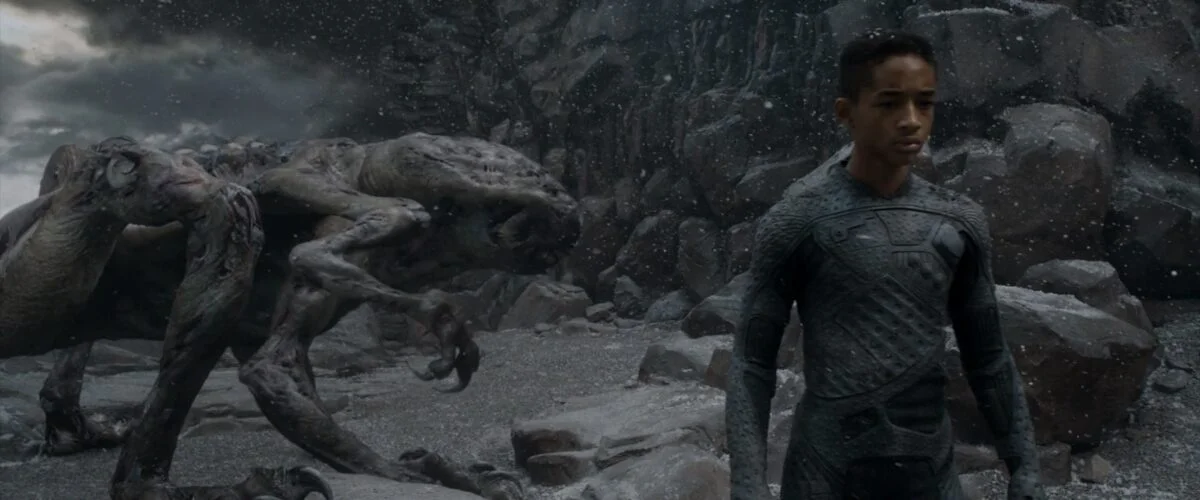
There is also an interesting piece of behind-the-scenes controversy.
Several critics pointed out that the film’s “ghosting” technique for suppressing fear resembled Scientology doctrine, prompting speculation that the movie was an enormous vanity project.
David Touretzky, regarded as an expert on Scientology, dismissed the claim, saying, “There are no Scientology elements in this movie whatsoever.” The church also responded that overcoming fear is a theme shared by philosophies around the world, not something unique to a particular religion.
Whatever the truth, the controversy itself shows just how much noise surrounded the film.
The One Line the Film Left Behind
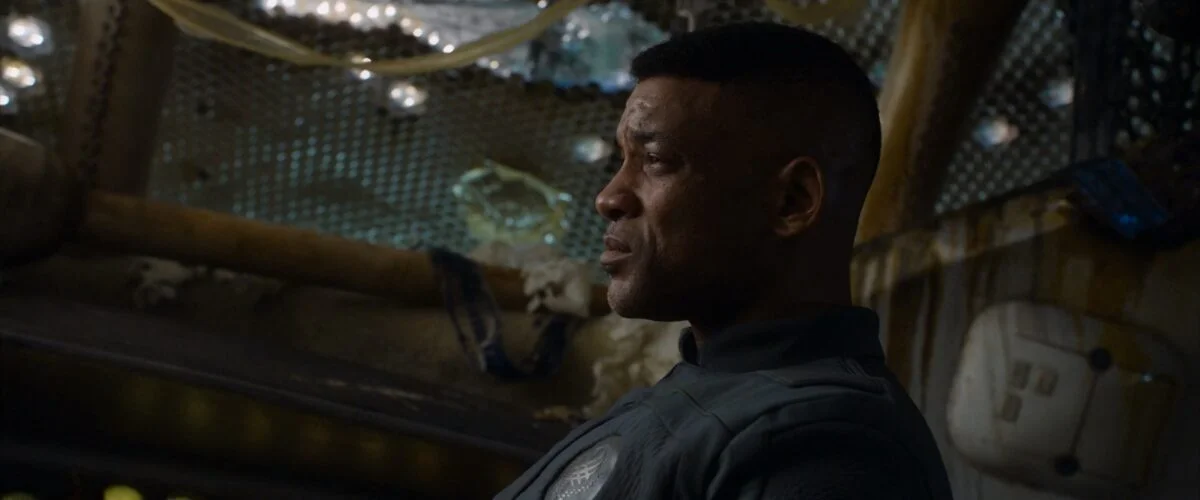
There is one line from After Earth that people still quote.
“Fear is not real. The only place that fear can exist is in our thoughts of the future. It is a product of our imagination, causing us to fear things that do not at present and may not ever exist. Do not misunderstand me: danger is very real. But fear is a choice.” Whatever one thinks of the film’s overall quality, that line is still worth considering.
We often treat danger and fear as if they were the same thing.
But the film’s point is that they should be separated. Danger is an objective condition that exists in the world; fear is the response we create when confronted with that danger. In an age flooded with uncertain news and information designed to provoke anxiety, “recognizing danger clearly without allowing it to consume you” remains a useful way to live.
The film fails to communicate this message convincingly, but that does not make the message itself wrong.
Ironically, the real controversy surrounding the film—the situation in which a son had to carry a story created and promoted by his father—closely echoes the father-son dynamic at the heart of the movie.
The pressure to prove himself beneath his father’s shadow belongs to Kitai’s story within the film, but it was also a burden Jaden Smith had to carry in real life, beyond the screen.
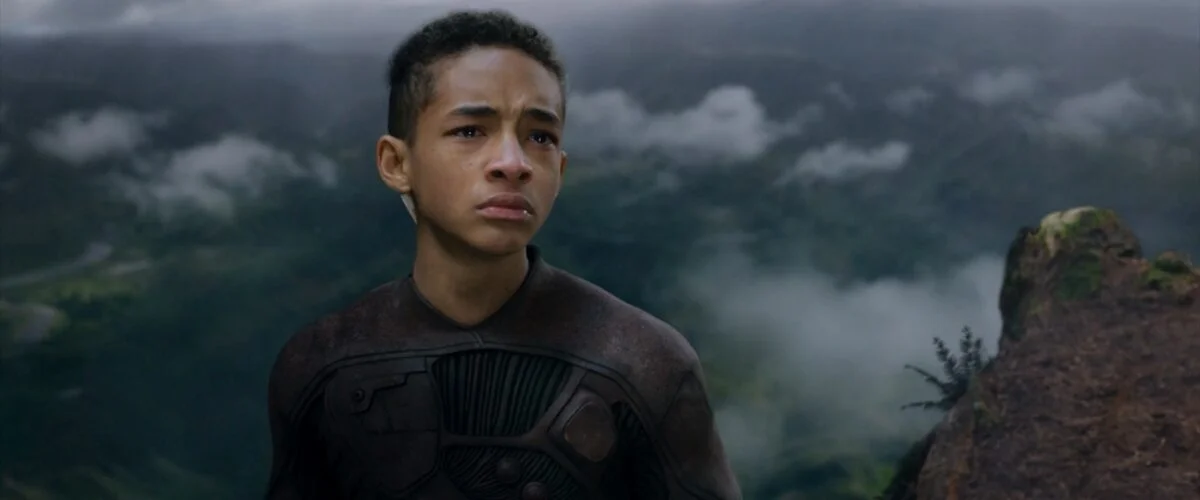
Verdict — 2/5 Stars
Judged purely on execution, this is a difficult film to rate generously.
The lead performance, sluggish direction and overly explanatory dialogue leave little room for excuses. Still, it is not quite fair to dismiss the film as a complete waste of time. Its world-building, production design and the central idea that “fear is a choice” are the only genuinely valuable things it leaves behind.
With modest expectations—and a willingness to understand why the film was criticized so heavily—it is reasonably watchable.
Frequently Asked Questions (FAQ)
Q1. Was After Earth really as bad as the reviews suggested?
The critical response was indeed extremely negative, with a 12% rating on Rotten Tomatoes and a Worst Picture win at the Golden Raspberry Awards. Some critics, including writers at RogerEbert.com, argued that it works reasonably well as a moral drama, while its world-building and production design are still often viewed positively.
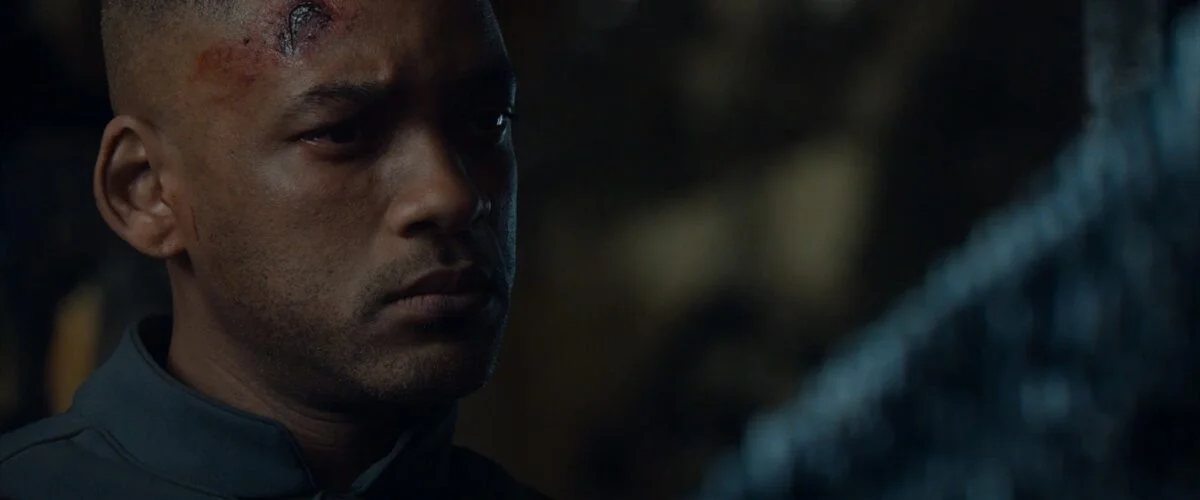
Q2. Was there really controversy over Jaden Smith receiving preferential treatment in the casting?
Yes. Will Smith created the story, appeared in a supporting role and cast his son as the lead, prompting accusations of nepotism before the film was released. The two men later won Worst Actor awards side by side at that year’s Golden Raspberry Awards.
Q3. Is After Earth actually connected to Scientology?
Some critics claimed that the film’s “fear-suppression technique” resembled Scientology doctrine, but both Scientology experts and representatives of the church denied the connection. There is no officially confirmed link.
Q4. How well did the film actually perform at the box office?
With a production budget of $130 million and worldwide box-office revenue of approximately $243.8 million, the film did not generate a substantial profit once marketing costs were included, but it was not a total commercial disaster either. Audience turnout was relatively solid compared with the critical response.
Q5. Is it suitable for watching with children?
There are not many graphic or especially disturbing scenes, so it is generally suitable for family viewing. However, the slow, quiet pacing may leave children bored if they are expecting fast-paced action.
