
A fun story about high school students: Gun-dal and An-gyeong
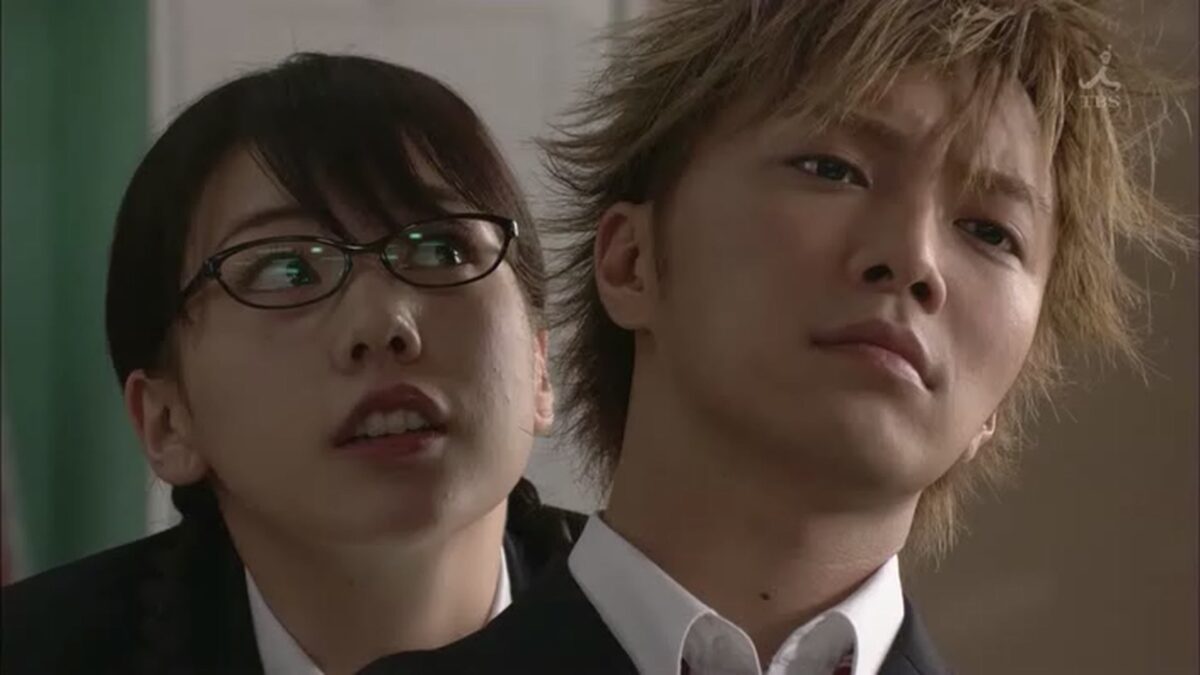
The Japanese drama *Yankee-kun to Megane-chan*, which aired on TBS in 2010, is a school comedy based on the manga of the same name by Yoshikawa Miki.
While it exhibits characteristics common in Japanese dramas, such as the emphasis on conveying moral lessons and group sentiment, the drama also features the engaging and expressive performances of the main characters.
While it depicts the anxieties and difficulties that high school students face regarding their future career paths, and although some aspects are exaggerated, it also portrays various facets of human society, showcasing both mainstream and unconventional perspectives.
It appears that the character, despite initially presenting as a mere troublemaker, subtly hints at his background as a doctor’s son, suggesting that significant improvements and developments are yet to come.
The drama is a masterpiece that skillfully addresses weighty issues of modern society, such as social prejudice, educational inequality, and the breakdown of community.

1. Basic overview and directorial features of the work
| Items: | Detailed information. |
|---|---|
| Broadcasting channel and schedule | From April to June 2010, a Friday drama series (total of 10 episodes) broadcast on TBS in Japan. |
| Main cast | The cast includes: Narimiya Hiroki (as Shinagawa Taichi), Naka Riisa (as Adachi Hana), Honjo Kanata (as Izumi Gaku), Kawaguchi Haruna, and Suzuki Ryohei. |
| Synopsis | The story revolves around “Shinagawa,” a legendary troublemaker from a prestigious humanities high school, who was once the strongest “yankee” (delinquent), and “Adachi,” who is currently hiding his identity and serving as the class president. The narrative depicts their school life and interactions. |
| Television viewership ratings | With an average viewership rating of 11.3%, and a final episode rating of 11.6%, the drama achieved commercial success, surpassing its competitors in the same time slot. |
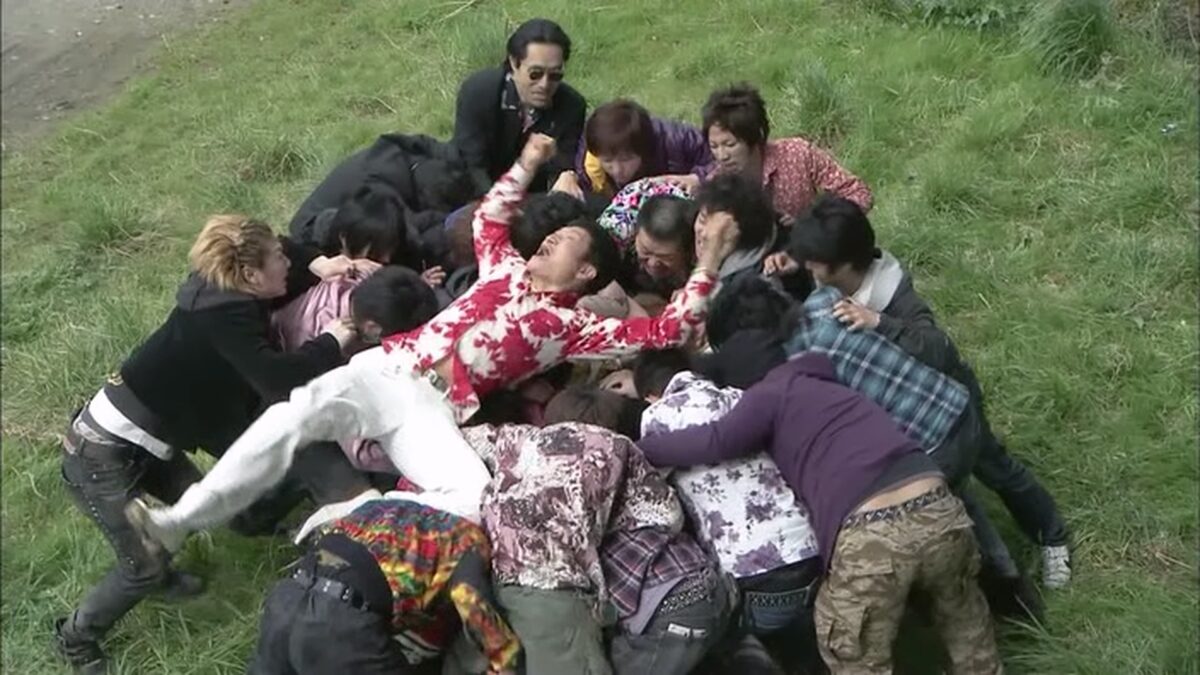
This drama actively utilized extreme camera techniques and exaggerated action sequences to bring the cartoonish imagination to life in a live-action format.
The dazzling action sequences, in contrast to the exaggerated performances of the lead actors, offer a genre-specific thrill that goes beyond simple comedy.
2. Analysis of media criticism and audience comments
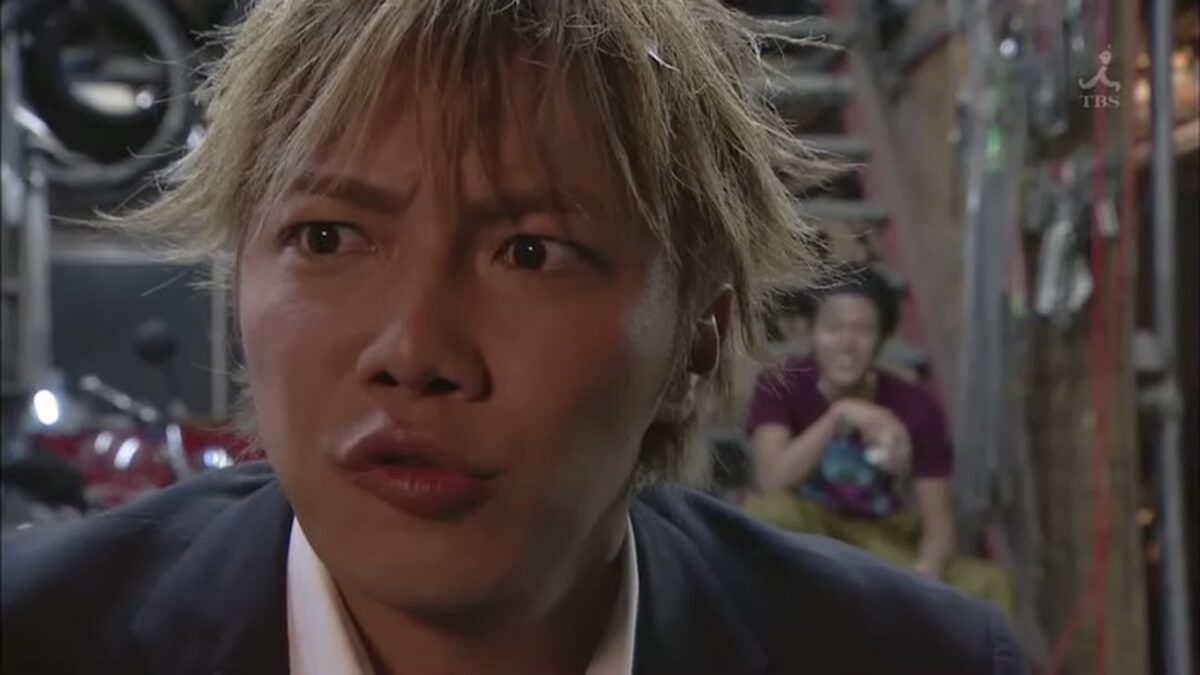
A comprehensive review of domestic and international media commentary, as well as the opinions of Amazon Japan critics during and after the broadcast of the drama, can be summarized into three main perspectives.
① Praises for the modern reinterpretation of “Yankee culture.”
While traditional Japanese delinquent dramas (e.g., “Gokusen,” “Crows Zero”) focused on violence, hierarchies, and machismo, this work redefines “delinquents” as “socially marginalized individuals who lack communication skills.” Critics praised the work not for glorifying violence, but for its coming-of-age narrative, in which the characters put down their fists and adapt to mainstream society through student council activities.
② The realism created by the bold adaptation from the original work
In reality, the drama significantly altered many of the unrealistic plot elements from the original manga.
- In the original work, Shinagawa came from an elite family with parents who were a doctor and a lawyer. However, in the drama, the Shinagawa family was changed to a typical, ordinary family that runs a small restaurant.
- These adaptations were praised for more realistically reflecting the sense of deprivation felt by young people today, whose opportunities for upward social mobility have been cut off.
③ Stereotypical character portrayal through nuanced and multi-dimensional acting
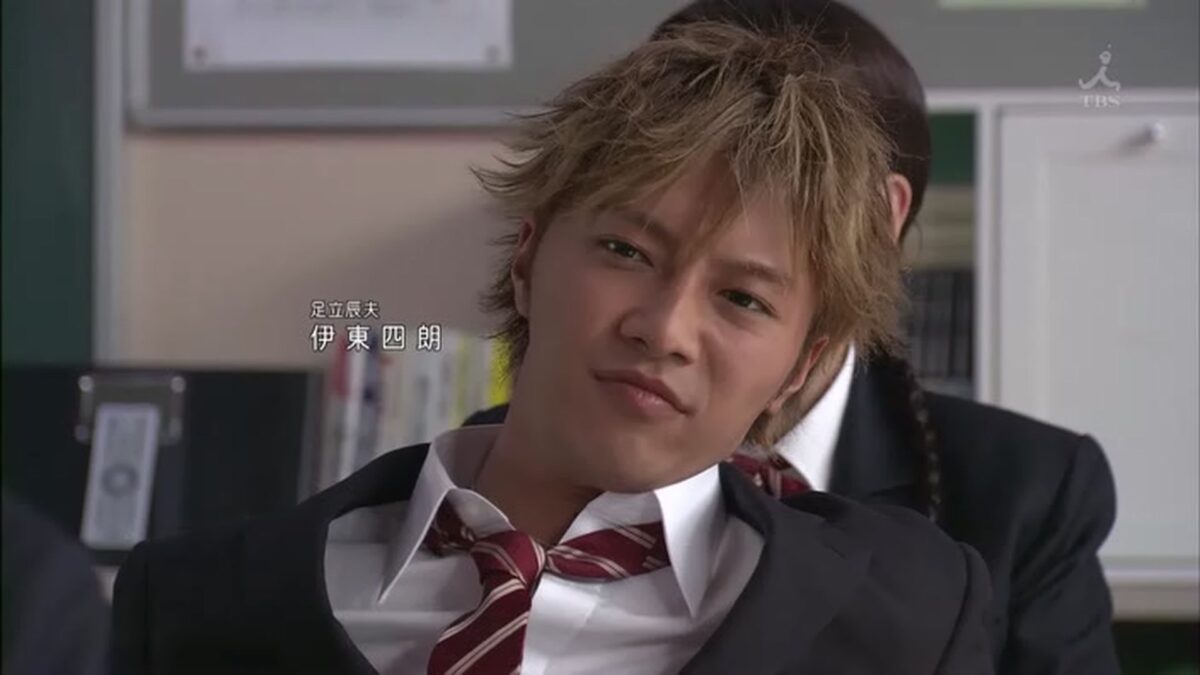
The series subverts the cliché of a male delinquent protecting a female model student, instead portraying the female protagonist, Adachi, as overpowering and rescuing the male protagonist, Shinagawa, through force. Viewers praised the catharsis provided by this unconventional relationship and the excellent chemistry between Hiroki Narimiya and Riisa Naka.
3. Comprehensive Commentary: The Mask of “Glasses” and the Stigma of “Yankee”
“Gundalgun and Ankyungyang” appears to be a lighthearted school comedy on the surface, but it is fundamentally a topical text that sharply dissects “the masks (personas) that humans wear to survive in society, and the social stigmas that accompany them.”
“Glasses” and the social hypocrisy and survival strategies they represent
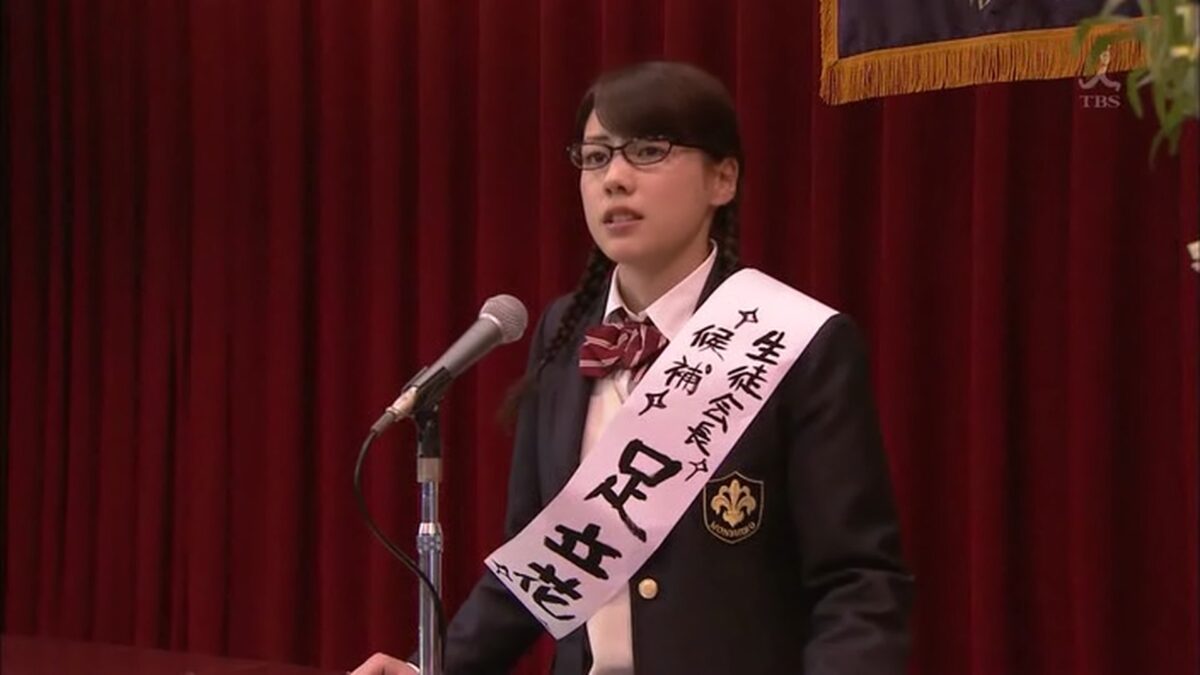
The glasses and braided hair worn by the protagonist, Adachi Hana, are not merely vision correction tools or disguises. They symbolize the social masks that individuals must wear to conform to the standards of “normality” imposed by mainstream society.
In order to erase her violent past and be recognized as an ordinary student, she constantly plays the role of the exemplary student council member. This reflects the sad reality that modern people suppress their true selves and act as “standardized individuals” in order to survive in the workplace or society.
“Yankee” stigma and the violence of institutionalized education
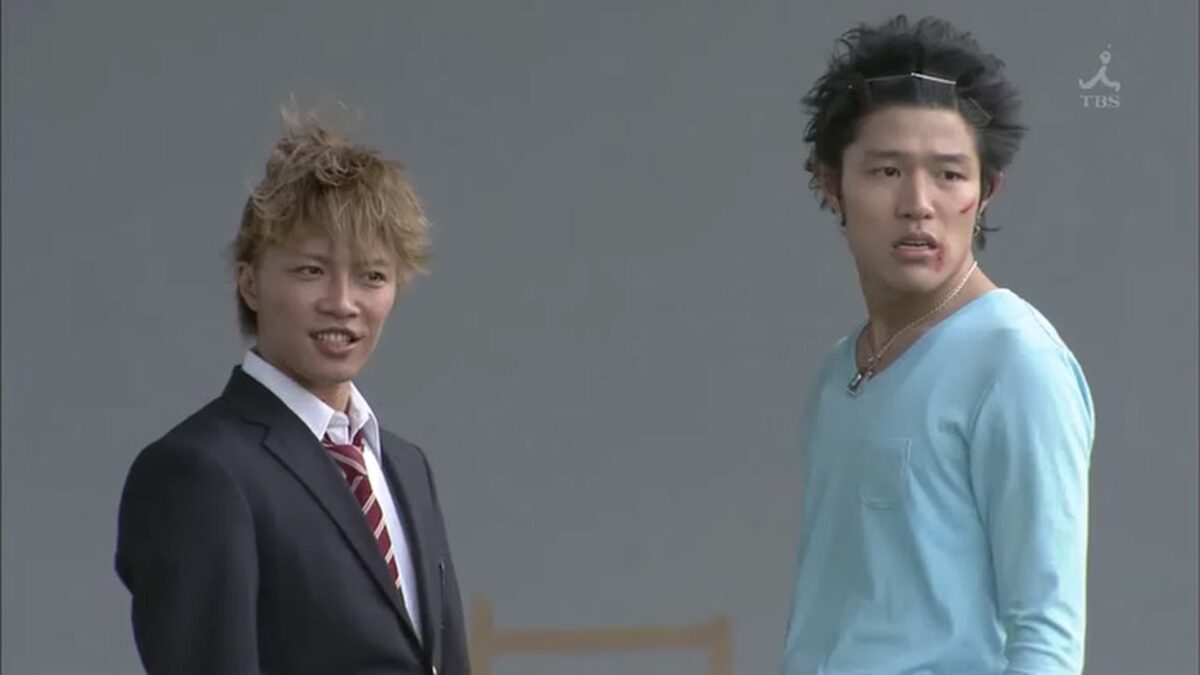
Meanwhile, Shinagawa Taichi is a character trapped in a cycle of social stigma and unable to break free. The drama depicts how the school environment, rather than embracing marginalized students, often excludes and isolates them.
Teachers and those around him do not try to understand Shinagawa’s inner self or potential, but instead treat him as a “potential criminal” based solely on his appearance and rumors. The drama portrays the process by which Adachi takes Shinagawa’s hand and brings him into the center of the student council, conveying the message that healing marginalized individuals is not through isolation and punishment, but through “solidarity and a sense of belonging.”
“Unconditional Intrusiveness” to Heal Relationship Breakdown
Since this work was broadcast in the 2010s, modern society has been increasingly characterized by extreme individualism and indifference. In an era where avoiding involvement in the lives of others is considered virtuous, Adachi’s almost reckless “nosiness” provides a refreshing shock. Adachi’s persistent pursuit of the reluctant Shinagawa, encouraging his participation in school events, and his visits to the homes of students who refuse to attend school, encapsulate the “local community’s mutual care system” that has disappeared in modern society.
Ultimately, it emphasizes that what truly saves humanity is not a grand educational system, but rather the warm and heartfelt attention of even a single person who does not give up on and continues to look at us.
Aspects that may be somewhat problematic from a Korean perspective
While Japan shares cultural characteristics common to East Asian countries, its individualistic tendencies, which have taken root under American influence, also create differences from Korean sentiments.
Scenes such as a high school student smoking or a student openly disrespecting a teacher are incomprehensible from a Korean perspective. While the reality might be slightly different, the fact that Japanese people, especially older adults, have no qualms about smoking with younger people suggests that this aspect should be considered and overlooked.
4. Conclusion: Reasons why we should rewatch this drama in the 21st century
“Gundalgun and Angyeongyang”, despite having been broadcast for a long time, still holds significant implications. This drama poses the following questions to us:
“Are you only looking at a person’s ‘specs and appearance’ when you meet them? Or are you perhaps prematurely dismissing someone by labeling them with a ‘preconceived notion’?”
Hidden within the youthful struggles depicted with light touches lies the most powerful antidote to the pervasive division and hatred in modern society: the values of “unbiased acceptance and solidarity.” This is precisely why the message contained within is far from trivial, and cannot be simply dismissed as a mere recollection of the past.
FAQ
Q. Is this drama just a simple school comedy?
No, it is not just a comedy with action. It is a coming-of-age drama that also deals with prejudice, stigma, the growth of teenagers, and the meaning of community. The work’s greatest appeal lies in its ability to address serious social issues in a lighthearted way through humor.
Q. What do “geondalgun” and “anyeongyang” symbolize?
“Gundalgun” symbolizes the prejudices and stigmas that society imposes on individuals, while “Ankyang” represents the facade of the model student that someone creates in order to adapt to society. The two characters convey the message that what is truly important is a person’s essence, rather than their outward appearance.
Q. What is the reason this work remains meaningful even when viewed again today?
The culture of easily judging people based on their appearance, qualifications, and first impressions has not changed significantly. The work consistently emphasizes that everyone has the potential for change, and that changing a person requires interest and trust, not prejudice.
Q. What is the biggest difference between the original manga and the drama?
The drama was adapted to increase its realism compared to the original work. While making realistic modifications to the backgrounds and settings of some characters, it has been praised for portraying the concerns of teenagers and their school life more realistically.
Q. If you were to recommend this drama in a single sentence, what would it be?
It is a coming-of-age drama that, while offering lighthearted comedy, also conveys a message about understanding people beyond prejudice and reflecting on the importance of community.
