
The Tragedy of Power Without Permission: What The Tyrant Reveals About South Korea’s Unequal Alliance with the United States
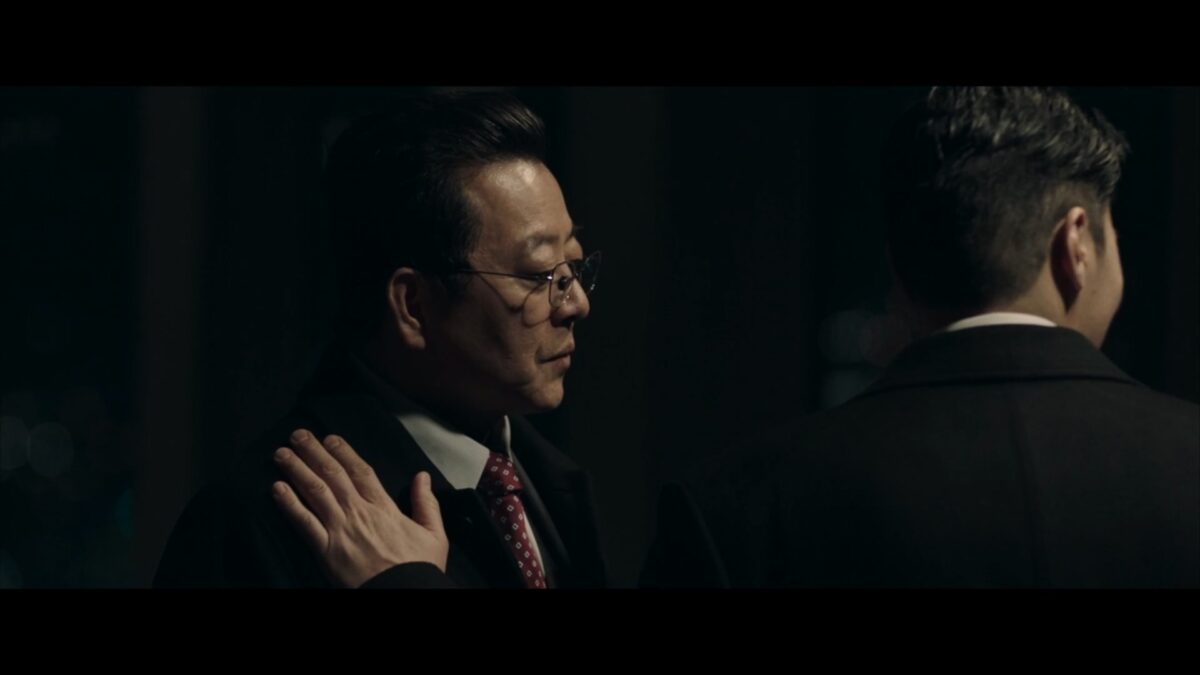
Directed by Park Hoon-jung, the Disney+ original series The Tyrant (2024) is far more than a straightforward sci-fi superhero thriller.
At its center is a deadly virus sample capable of transforming humans into monstrous superhumans—and the bloody diplomatic struggle between the United States, which wants to seize it, and South Korea’s intelligence service, which is determined to protect it.
The series borrows the conventions of genre entertainment, delivering flamboyant gunfights and superhuman action on the surface. Beneath that spectacle, however, it poses a provocative question about South Korea’s geopolitical dilemma and the hegemonic dependence concealed beneath the language of “alliance.”
This article dissects the structure of the central “virus struggle,” examines domestic and international commentary from multiple perspectives, and considers what the series has to say about South Korean society today.
1. The Real-World Meaning of the “Virus Struggle”: Déjà Vu from the Brutal History of Nuclear Development
In the series, the “Tyrant Project” is a biological weapons program focused on a virus that can push human physical capabilities to the limit and create an army of superhumans.
When the project is discovered by the U.S. CIA, Washington demands that the research be halted immediately and that every sample be destroyed and handed over.
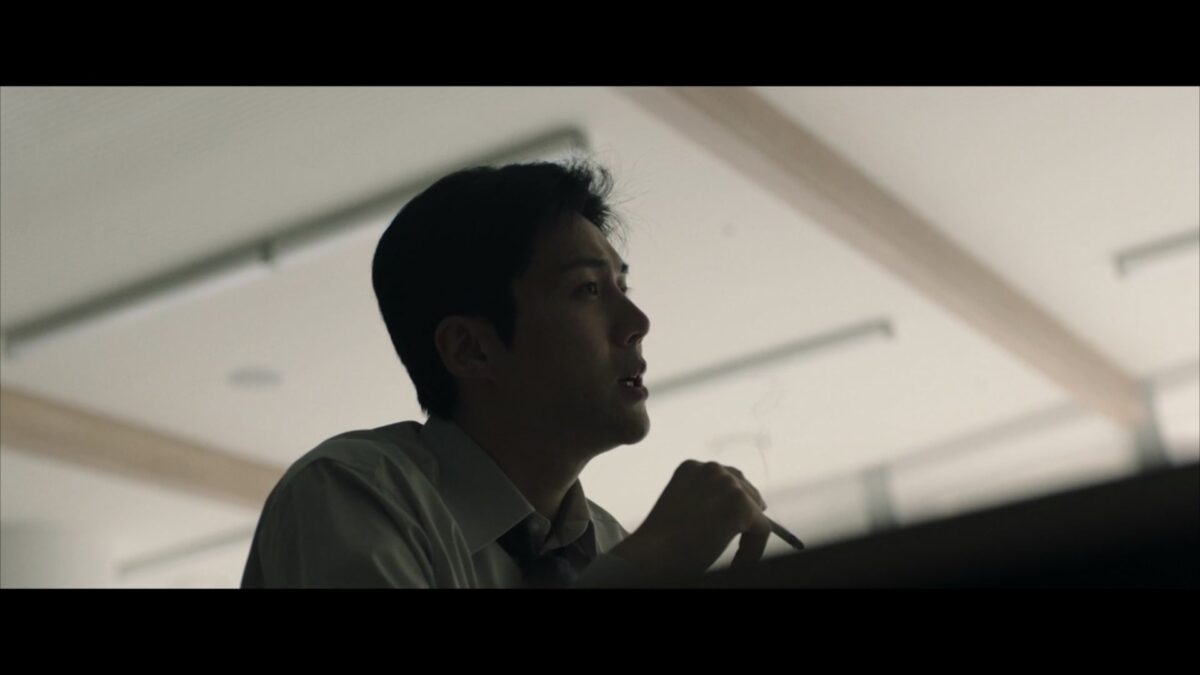
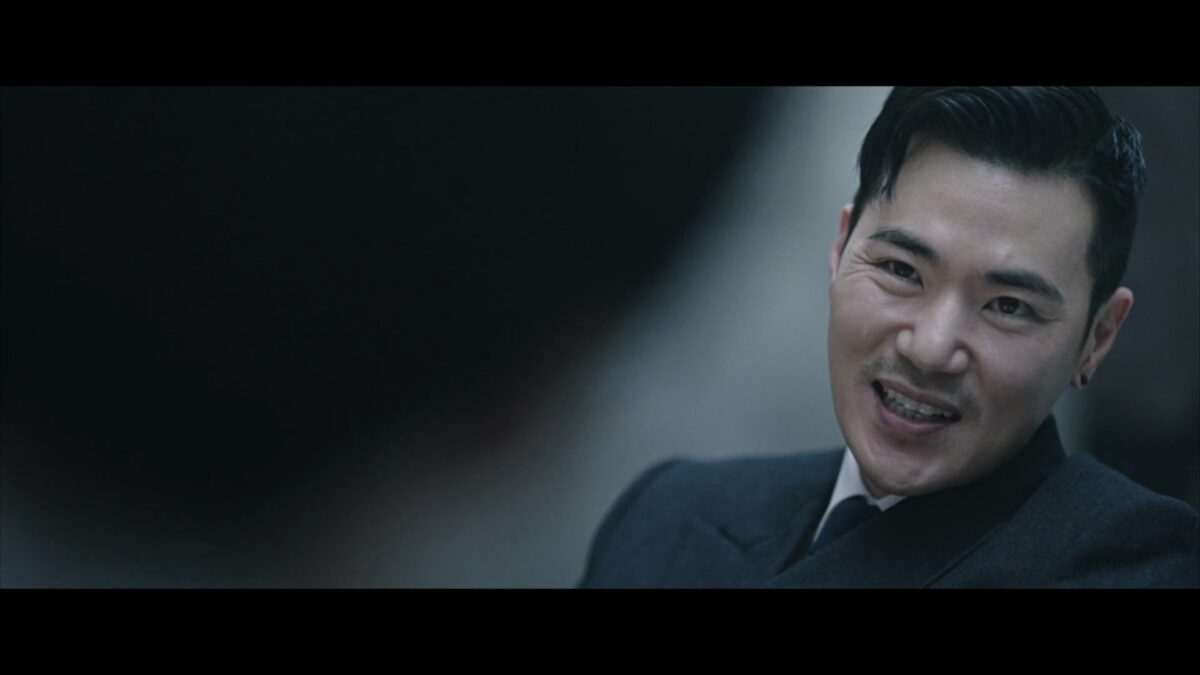
Choi, a young elite director in South Korea’s National Intelligence Service (played by Kim Seon-ho), appears to comply. In reality, he steals the last remaining virus sample and attempts to continue the project, bringing him into direct conflict with Paul, a U.S. covert operative played by Kim Kang-woo.
This vicious struggle is an unmistakable projection of the “secret nuclear-development saga” that has repeatedly marked South Korea’s modern history, as well as the country’s long experience with the U.S.–South Korea missile guidelines.
- During the Park Chung-hee administration, a secret nuclear-weapons program pursued in the name of self-reliant defense was derailed after being detected by the United States’ relentless intelligence network.
- For decades, South Korea was required to keep its missile ranges and warhead weights within limits set with Washington’s permission.
Paul, the American operative, arrogantly tells South Korea that it is safe only under U.S. control, and that possessing asymmetric weapons capable of crossing certain red lines would fracture the alliance.
Choi’s furious response—“Why can’t we do it? How long are we supposed to live by watching their reactions?”—expresses the long-simmering anger and worldview of South Korean nationalist elites who have experienced a sense of lost sovereignty within a great-power-dominated international order.
The series elevates the virus beyond a mere piece of science-fiction imagination, turning it into a weighty symbol of “national sovereignty” and the “right to possess independent weapons.”
2. Sharp Analysis from Critics and Commentators at Home and Abroad
After The Tyrant was released, critics and viewers found themselves sharply divided between praise for its genre ambitions and criticism of its rigid plotting.
① The Praise: An Independent Worldview and the Catharsis of Action Amid a Blood-Red Aura
South Korean outlets and critics, including OhmyNews, praised Park Hoon-jung for cleverly expanding the universe of his earlier film The Witch while successfully embedding weighty social messages about “anti-Americanism” and “self-reliant defense” within a genre series.
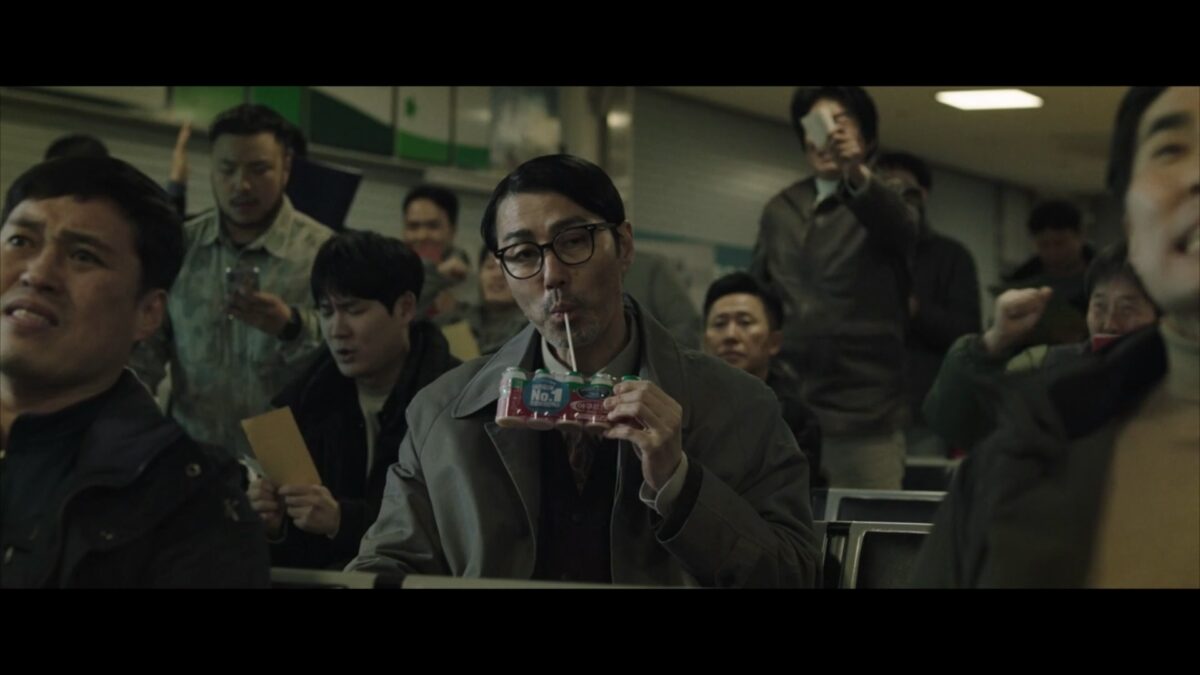
- Cha Seung-won’s performance as Lim Sang, a wry yet brutal working-class hitman, was hailed as “a masterclass in controlling the drama’s pace and intensity.”
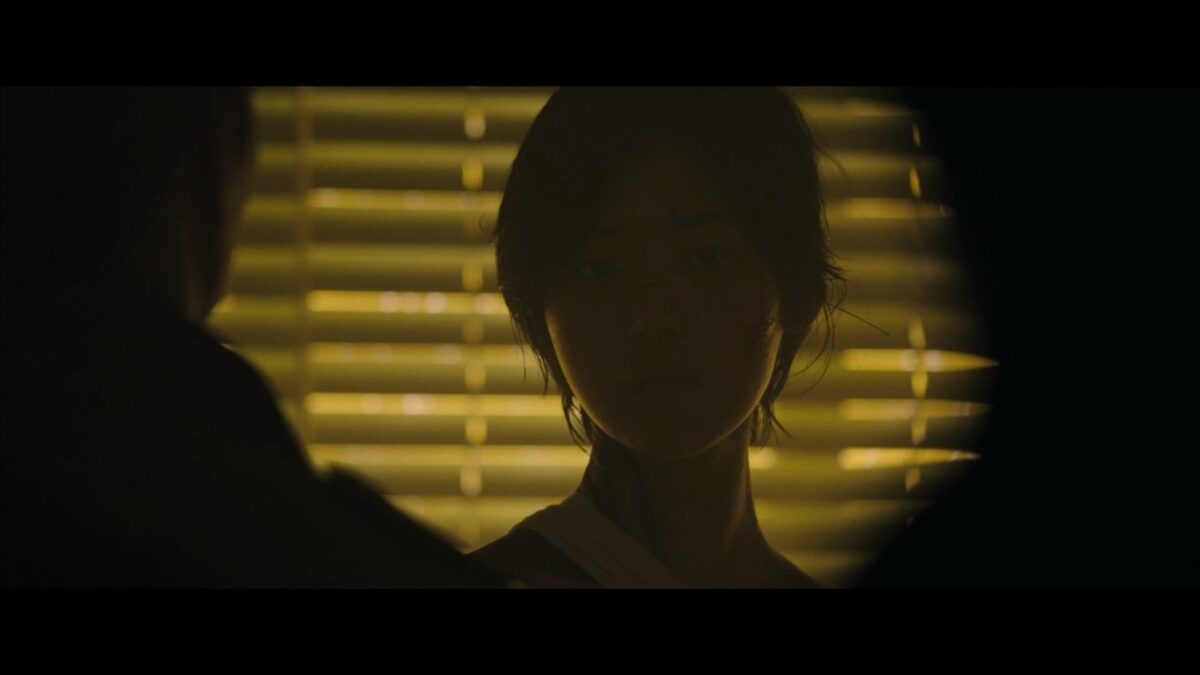
- Rising star Jo Yoon-soo, playing Chae Ja-kyeong, was also praised for her daring portrayal of a character with multiple personalities and her desperate hand-to-hand combat—an unusually forceful female protagonist for a Korean genre production.
International outlet NME (Carmen Chin) likewise awarded the series four out of five stars, praising how “it may look formally like a conventional espionage thriller, but Park Hoon-jung’s meticulous visual mise-en-scène and bold narrative reversals push the pleasures of the genre to their limits.”
② The Criticism: Uneven Pacing That Feels Like a Film Cut into Pieces and Excessive Gore
By contrast, Piers Conran of the South China Morning Post gave the series two out of five stars, calling it “extremely stylish but narratively bewildering.”
He criticized its thin storytelling, describing it as little more than a repeated procession of characters beating and brutally killing one another without any meaningful plot development.
South Korean viewer communities also criticized the series for having originally been conceived as a film before being converted into a four-part drama. One complaint was that “from the first episode through the middle of the third, the characters keep circling around a single virus sample, exhausting the audience.”
Others argued that the gore—severed heads and bodies being torn apart—is deployed so relentlessly that, as the series progresses, fatigue and discomfort begin to overshadow the impact of the action.
3. A Deeper Reading: Runaway Zealotry and Ordinary People Reduced to Disposable Assets
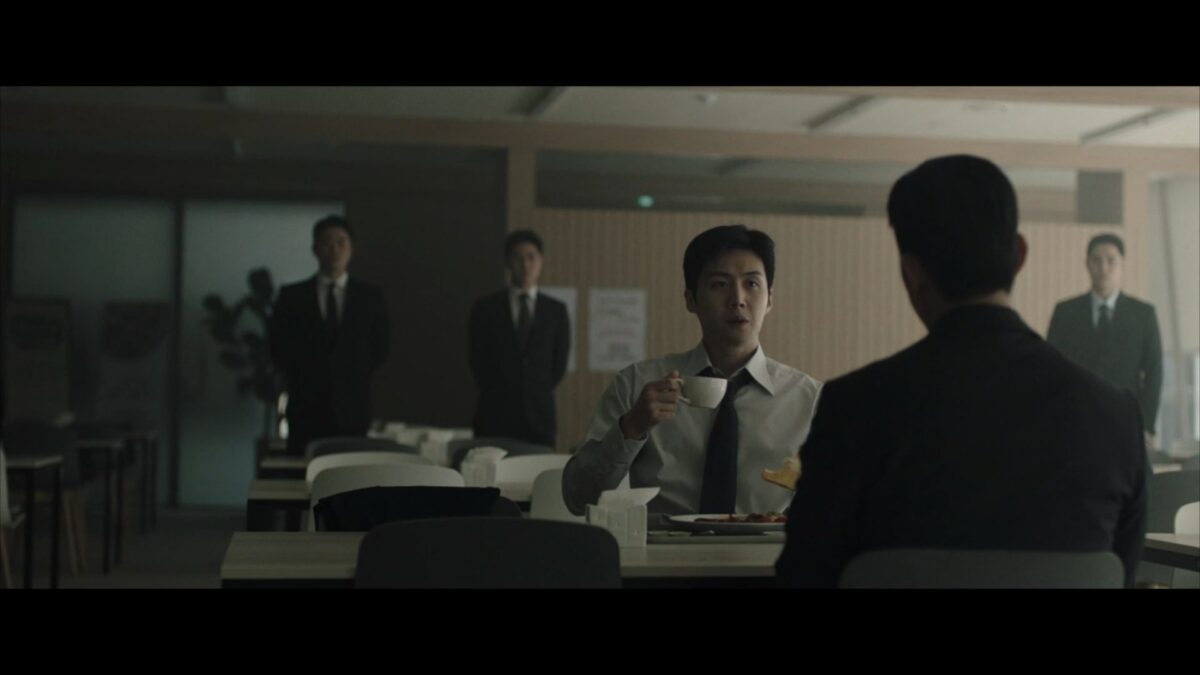
The coldest political insight in The Tyrant is that the powerful figures at the top—Choi and Paul—fighting for control of the virus are not “righteous heroes” in any meaningful sense.
① “Die for the State”: The Violence of Nationalism
Choi invokes South Korea’s sovereignty, yet to achieve his goals he casually sends his own agents and civilian technicians to their deaths.
He exploits veteran operatives such as Lim Sang for years, then designates them for elimination in order to erase the evidence when his plans go wrong.
As one Naver blog review points out, the line in the series about “paying you a salary in exchange for your life for the sake of the state” is an imposed ethic of self-sacrifice and absolute devotion that might have belonged to the eras of Japanese colonial rule or military dictatorship.
Through Choi, the series lays bare the distorted elitism of South Korea’s ruling class, which hides behind the vast abstraction of the national interest while ruthlessly trampling the dignity and right to life of ordinary individuals.
② Survival of the Fittest Among the Vulnerable—and the Birth of a “Monster”
Chae Ja-kyeong, played by Jo Yoon-soo, is the person most thoroughly marginalized by both American pressure and South Korea’s internal power struggle, driven to the brink of survival.
She has no interest in national security or grand diplomatic strategy. She has simply been swept into the vortex of the power struggle over the virus, lost her father, and found herself facing death.
Yet in the final moments of the series, the deadly virus chooses not one of the lofty elites but Ja-kyeong, a killer from the bottom of society, as its ultimate host.
When the system—the state—fails to protect her, the powerless absorb the virus, a “forbidden power,” and become monsters who hunt down the predators.
It is a searing existential warning about how individuals excluded from society’s safety net can be transformed into monsters and forced into a struggle for survival when the state loses its ability to function through diplomatic incompetence and internal division.
4. Conclusion: A Weighty Question for South Korea in the New Cold War
The ending of The Tyrant is brutally unforgiving.
After the reckless brawl between the American and South Korean intelligence agencies, the research facility lies in ruins, while the intellectuals and bureaucrats who led the project are either slaughtered or take their own lives.
The state’s grand dream of self-reliant defense has been shattered. All that remains is the birth of an uncontrollable monster—Ja-kyeong—answerable to neither American nor South Korean control.
In 2026, this story poses three questions to a South Korean society standing on the “powder keg of a new Cold War,” amid intensifying U.S.–China rivalry and the North Korean nuclear crisis.
- First, the limits of diplomatic autonomy: South Korea lives within the solid framework of its alliance with the United States. But when South Korean national interests collide head-on with America’s strategic interests, does the country possess the sovereign capacity to pursue an independent survival strategy?
- Second, the fiction of noble causes: Are the grand slogans of “the national interest” and “national security” invoked by those in power actually a deceptive system sustained by the sacrifice of ordinary citizens and workers on the front lines?
- Third, the importance of internal solidarity: More frightening than external pressure from the United States is internal division and destructive escalation. When the ruling class fails to unite public opinion and becomes consumed by secrecy and factional power struggles, ordinary people pay the full price of the resulting security vacuum in blood.
The Tyrant is a dense text that conceals this painful geopolitical history beneath the visceral pleasures of blood-and-guts action.
Rather than dismissing the struggle over the virus as a piece of disposable entertainment, we should read it as a troubling portrait of South Korean sovereignty—a portrait that could at any moment become reality.
FAQ
FAQ 1. What does the virus in The Tyrant symbolize?
The virus can be interpreted not simply as a biological weapon, but as a device symbolizing national sovereignty and the acquisition of independent strategic technology. The conflict between South Korean and American intelligence agencies over the virus expresses, through genre storytelling, the competing interests and questions of national autonomy that can exist even within an alliance.
FAQ 2. Can The Tyrant be considered an anti-American drama?
Some viewers interpret it as anti-American, but more precisely, it is a political thriller about the power relationship between a great power and a middle power, as well as the question of national sovereignty. South Korea’s intelligence agency is also shown sacrificing individuals for the sake of power, so neither side is portrayed as wholly righteous.
FAQ 3. Does the series resemble actual history in any way?
The premise is fictional, but some viewers interpret it in light of South Korea’s repeated conflicts with the United States over nuclear and missile development in the past. That historical experience can provide useful context for understanding the Tyrant Project and the struggle over the virus.
FAQ 4. What is the central message of The Tyrant?
The series’ central message is that the desire to control absolute power can be more dangerous than power itself. States and intelligence agencies invoke the national interest and security, but ordinary people are the ones who ultimately pay the price. The series exposes this contradiction in the power structure through action and thriller conventions.
FAQ 5. Is The Tyrant simply an action drama?
No. Although it foregrounds spectacular gunfights and superhuman action, it also explores national security, intelligence-agency power, U.S.–South Korea relations, individual sacrifice, sovereignty, and international politics. It offers both the pleasures of an action series and the opportunity to engage with its political metaphors.
