South Korea’s Immigration Process (2025)
Are you going to Korea, a dynamic and beautiful country? I think you will be curious about immigration information for your trip to Korea first. This post will explain the procedures and methods for you to enter Korea, which is truly wonderful. I hope you make many happy memories in Korea and return home.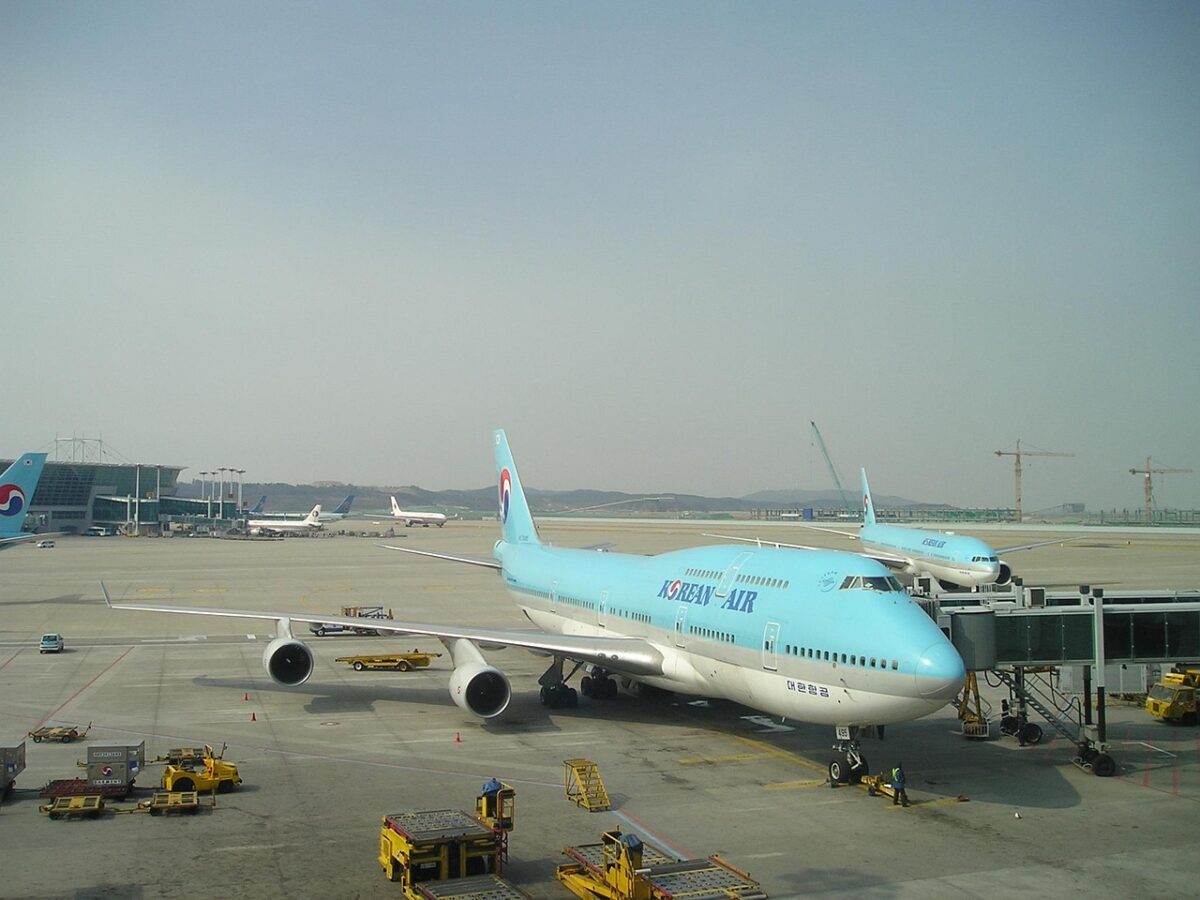
Part 1: Before You Fly — The Digital Essentials
Your smooth passage into Korea begins up to 72 hours before you even leave home. There are two key systems to be aware of: the K-ETA (for travel authorization) and the Q-Code (for health declaration).The K-ETA (Korea Electronic Travel Authorization)
K-ETA is an electronic non-visa travel permit system, which allows visa-free foreigners to obtain permission to travel to Korea before boarding a flight.
It is valid for three years from the date of approval and allows multiple arrivals.
In general, citizens of 112 countries with visa-free agreements with South Korea must apply for a K-ETA. A separate tourist visa is required if you are not from one of these countries.
But the point here is that 2025 is a temporary exemption because
In honor of the "Year of Visit Korea," the Korean government temporarily exempted citizens of 22 specific countries/regions from the K-ETA requirement.
This exemption is currently valid until December 31, 2025.
The 22 exempt countries/regions are:
Australia, Austria, Belgium, Canada, Denmark, Finland, France, Germany, Hong Kong, , Italy, Japan, Macao, Netherlands, New Zealand, Norway, Poland, Singapore, Spain, Sweden, Taiwan, UK, US (including Guam)
If my country is exempt, should I still apply for a K-ETA?
This is the most common question, and here is the "pro-tip": Yes, you should strongly consider it.
While you are not required to have a K-ETA if you are from one of the 22 countries listed above, voluntarily applying for and receiving one has one massive benefit:
You will be exempt from filling out the paper Arrival Card on the plane.
This saves you time, hassle, and the need to find a pen while juggling your passport and luggage. The fee is minimal (KRW 10,000, approximately $8-9 USD) and the 3-year validity is a great value if you plan to return.
How to Apply for K-ETA:
- When: You must apply at least 72 hours before your flight. While many approvals are faster, do not risk it. Apply a week or two in advance.
- Where: Apply only on the official South Korean government website:
- Official K-ETA Website: https://www.k-eta.go.kr
- There is also an official mobile app: "K-ETA"
- WARNING: Be extremely cautious of third-party "visa" or "K-ETA" websites. They look official but will charge you exorbitant fees (upwards of $70-100) for the exact same service. Only use the official
.go.krwebsite. - What You Need: A valid passport, a digital facial photo (that meets the specifications), your travel dates, and the address and phone number of where you will be staying in Korea (your hotel or rental is fine).
The Q-Code (Quarantine Information Pre-entry System)
This system was mandatory during the pandemic, but its role has changed. It is now a digital health declaration system that saves you significant time at the quarantine checkpoint. What is it? The Q-Code allows you to input your health information online before you fly. Upon completion, you receive a QR code. When you land, you simply scan this code at the quarantine desk instead of filling out a paper "Health Questionnaire." Is it Mandatory?- For some, YES: It is mandatory for all travelers (including Korean nationals) entering from designated "Quarantine Inspection Required Areas." This list can change, so it's always best to check the official site.
- For most, IT IS HIGHLY RECOMMENDED: For all other travelers, the Q-Code is technically optional. However, if you do not have one, you will be directed to a separate line to manually fill out a paper health form, which is a significant delay.
How to Apply for Q-Code:
- When: You can apply up to 3 days before your arrival date.
- Where: Apply only on the official government website:
- Official Q-Code Website: https://cov19ent.kdca.go.kr
- What You Need: Your passport, flight number, and address in Korea.
- The Process: Fill out the simple online form, agree to the health terms, and a QR code will be generated. Screenshot it or save it to your phone.
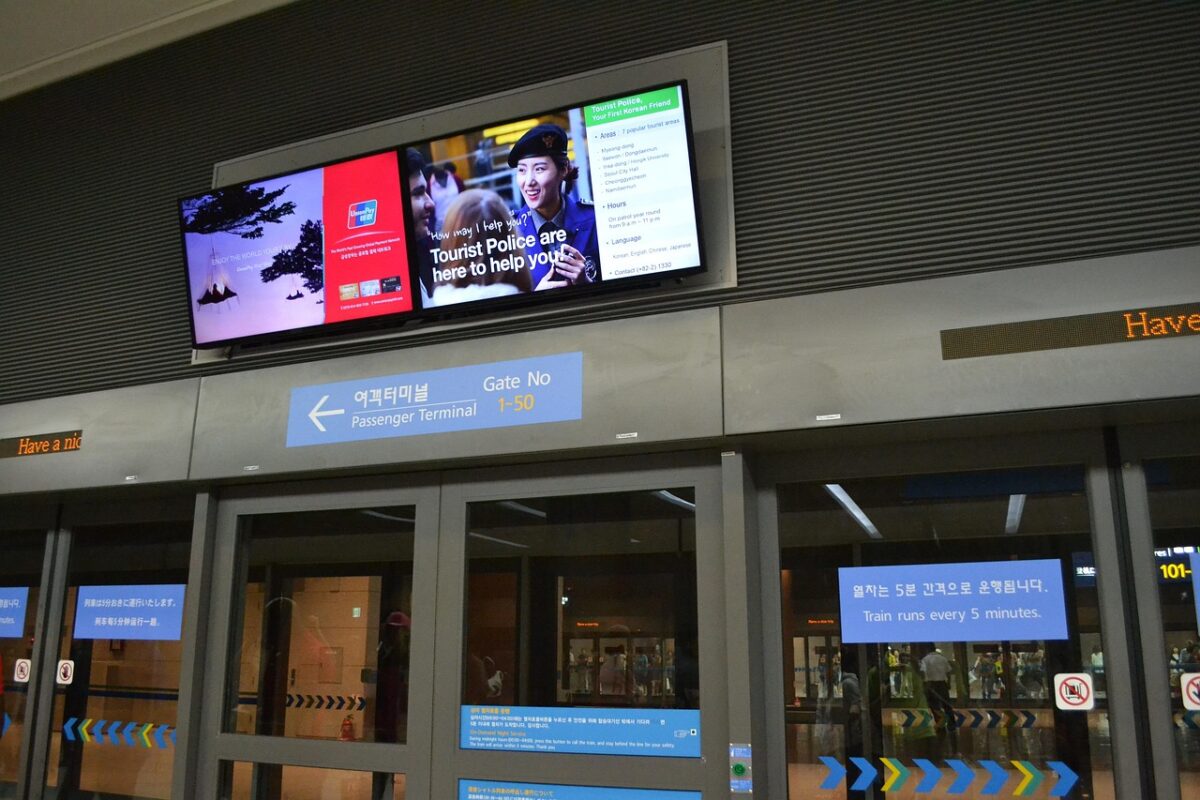
Part 2: On the Plane — The Paper Forms
As you cruise towards Korea, your flight attendants will pass through the cabin with paper forms. What you need to fill out depends entirely on whether you got the K-ETA.1. The Arrival Card (입국신고서)
- Who needs this? All non-Korean citizens... UNLESS you have a K-ETA.
- If you have an approved K-ETA, you can happily decline this form and enjoy your movie. Your information is already in the system.
- If you are from a K-ETA-exempt country and chose not to apply, you must fill out this paper form completely.
- Official e-Arrival Card Website: https://www.e-arrivalcard.go.kr
- This is a great option for K-ETA-exempt travelers who want the fastest possible process without paying the K-ETA fee.
2. The Customs Declaration Form (세관신고서)
- Who needs this? Everyone. (Or, more accurately, one per family traveling together).
- This form is for declaring any goods you are bringing into the country. Even if you have nothing to declare, you must fill it out and sign it.
- What to Declare: You must declare items if you exceed the duty-free allowance, which includes:
- Goods with a total value over $800 USD.
- More than 2 bottles of alcohol (up to 2L total, not exceeding $400).
- More than 200 cigarettes.
- Currency (foreign or Korean) exceeding $10,000 USD.
- Be honest. It's better to declare something and have it checked than to be fined for failing to declare.
- Official Link: For detailed allowances, check the Korea Customs Service website.
Part 3: Step-by-Step Guide to Arriving at Incheon (ICN)
You've landed! Here is the exact order of events from the gate to the exit.Step 1: Deplaning and Walking
Follow the signs for "Arrivals / Immigration" (도착 / 입국심사). Incheon International Airport is massive, so be prepared for a 10-15 minute walk, sometimes including a short "shuttle train" ride from the concourse to the main terminal.Step 2: The Quarantine Check
This is your first checkpoint. You will see two types of lines:- Q-Code Lanes (Fast): Hold up your phone with the Q-Code's QR code. An officer will scan it, and you'll be waved through in seconds.
- Paper Form Lanes (Slow): If you didn't get a Q-Code, you'll be routed here to fill out the Health Questionnaire manually before you can proceed.
Step 3: Immigration Control
This is the main passport check. Look for the signs dividing the lines:- "Korean Citizens" (내국인): Do not go here.
- "Foreign Passports" (외국인): This is your line.
- Present Documents: Hand the officer your Passport. (If you have a paper Arrival Card, hand that over too. If you have K-ETA or an e-Arrival Card, you do not need anything else).
- Photo: You will be asked to temporarily lower your mask (if wearing one) and look at a small camera for a photo.
- Fingerprints: The officer will gesture for you to place your two index fingers on the electronic fingerprint scanner.
- Stamp (or Sticker): The officer will stamp your passport or (more commonly now) give you a small "Entry Confirmation" sticker. This sticker is your proof of legal entry and shows your visa type and length of stay. Do not lose this sticker.
Step 4: Baggage Claim
Look at the large electronic boards to find your flight number and the corresponding baggage carousel number. Grab your luggage.Step 5: Customs Clearance
This is the final gate. You will see two channels:- Green Channel ("Nothing to Declare"): If you are under all the duty-free limits.
- Red Channel ("Items to Declare"): If you have items to declare (like that extra bottle of wine or goods over $800).

Part 4: You’re Here! Welcome to Korea
You've successfully cleared immigration and customs. As you walk into the arrivals hall, you'll find everything you need to start your journey:- Money: Global ATMs are plentiful. Look for the "Global" logo.
- Connectivity: This is the best place to pick up your pre-booked Wi-Fi egg (portable router) or buy a prepaid SIM card. Booths for all major providers (SKT, KT, LGU+) are right here.
- Transportation:
- AREX Express Train: The fastest way to Seoul Station (non-stop).
- AREX All-Stop Train: A cheaper (but slower) subway-style train that connects to the Seoul metro system.
- Airport Limousine Bus: Comfortable buses that go directly to major hotels and neighborhoods all over Seoul and beyond.
- Taxis: Follow the signs for the official taxi stand.
About the Author

이 포스팅은 제휴마케팅이 포함된 광고로, 일정 수수료를 지급받을 수 있습니다.