
A Drama Its Captivating Leads Almost Make You Forget Is Flawed
《Love in the Year 2000》(二千年の恋), which aired on Fuji TV in 2000, was an ambitious production conceived to mark the dawn of a new millennium. Drawing inspiration from the South Korean spy thriller Swiri, it blended espionage with melodrama. Twenty-six years have passed since then. Here, we take a fresh look at how the drama was received and viewed at the time.
Drama at a Glance
- Original run: January 10–March 20, 2000 (Fuji TV’s Getsuku time slot)
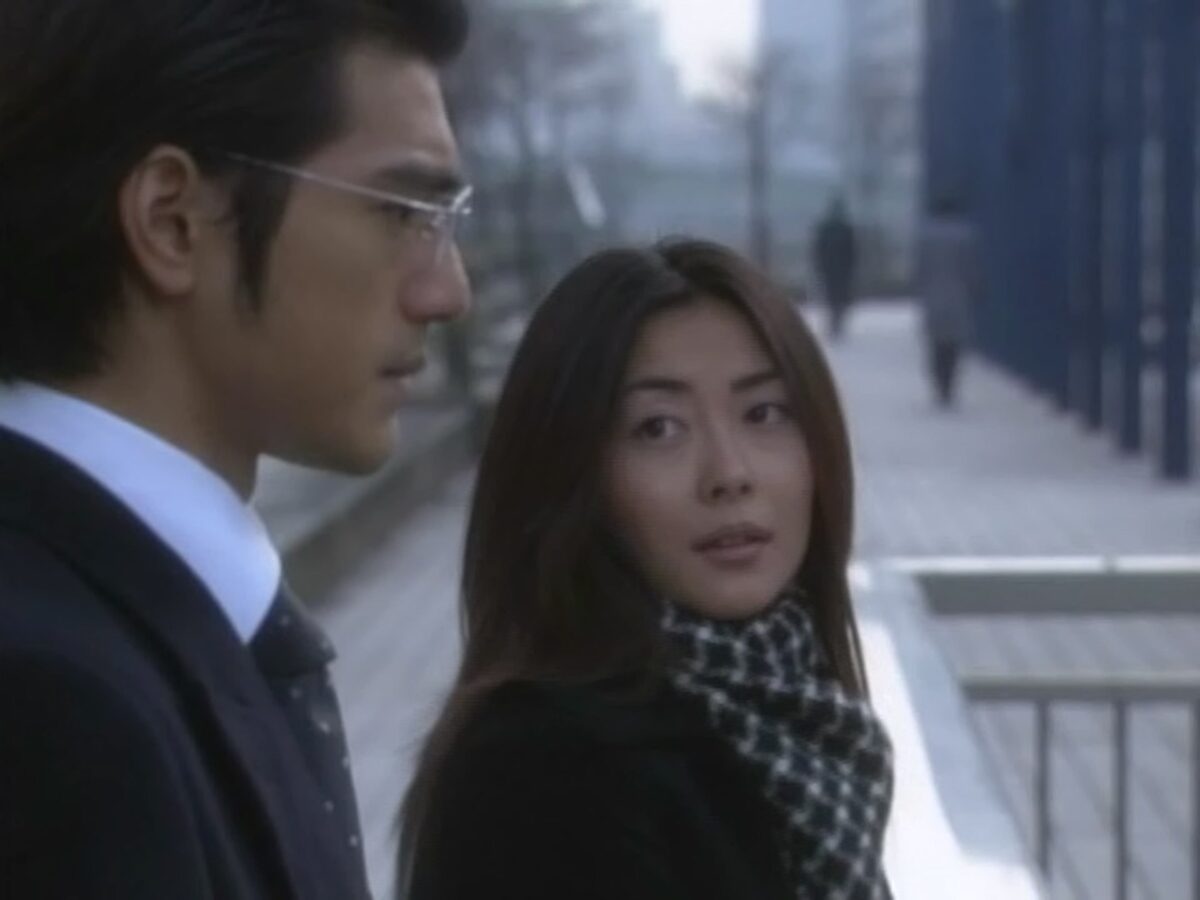
- Cast: Miho Nakayama as Rieru Mashiro, and Takeshi Kaneshiro as Yuri Maroef
- Premise: Rieru, an ordinary Japanese woman working as a systems engineer, meets Yuri, a covert operative from a fictional dictatorship, and falls into a tragic love that crosses borders and ideological divides.
A Closer Look at the Drama
1. Casting and Visual Appeal: “A Once-in-a-Lifetime Pairing”
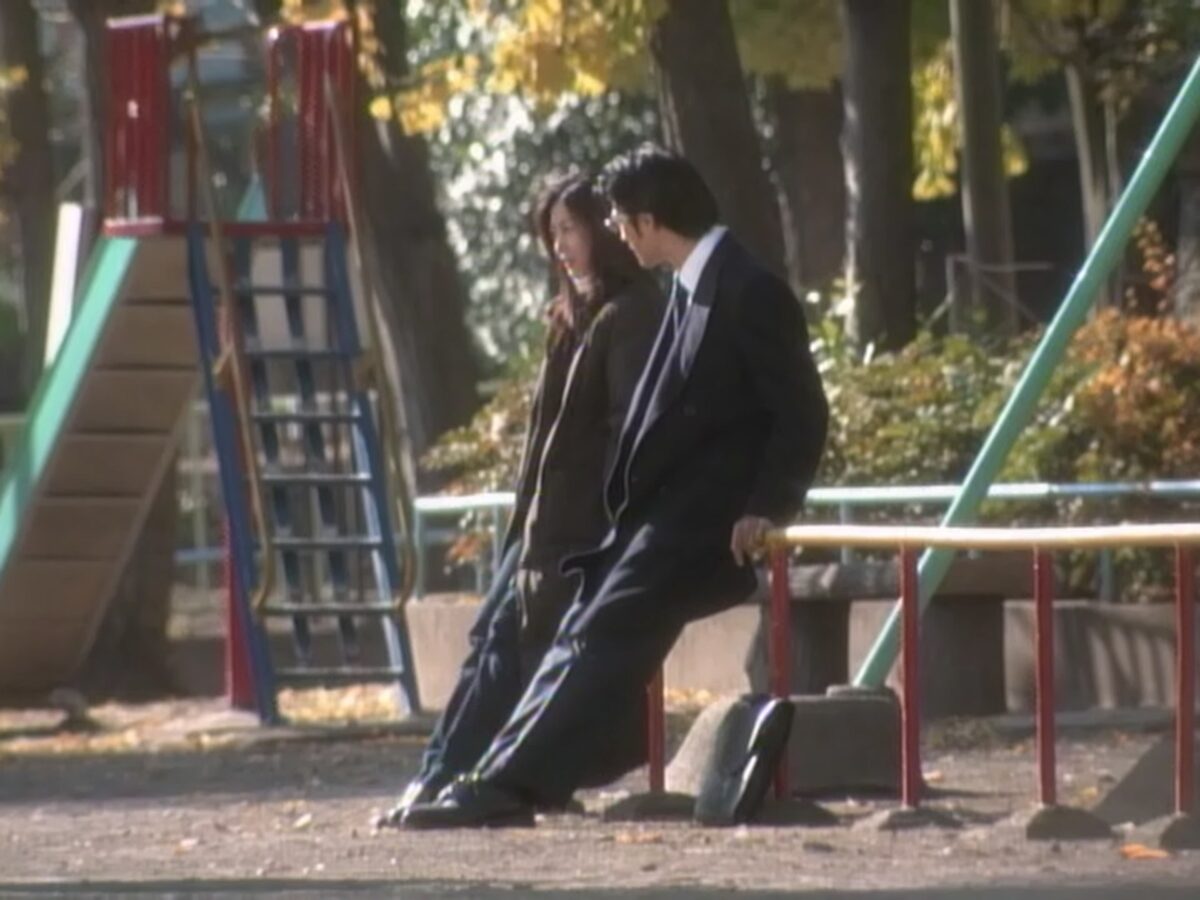
- The pairing of Miho Nakayama, who became an Asian sweetheart through the film Love Letter, and Takeshi Kaneshiro, with his unmistakable looks, generated enormous buzz even before the drama premiered.
- The two stars at the height of their beauty, combined with their yearning gazes and emotionally charged performances, were the drama’s greatest assets—and helped paper over its weaker logic. Yukie Nakama, who appeared in a supporting role, also drew attention for her fresh-faced performance early in her career.
2. Direction and Music: “Millennium Mood and a Standout OST”
- The direction made effective use of its turn-of-the-millennium setting, most notably in the characters’ first meeting, when they become trapped in an elevator by the Y2K bug as the year 2000 begins.
- Most memorable of all was the theme song, “Yesterday & Today” by J-pop band Do As Infinity. Its haunting, dreamlike sound heightened the drama’s tragic atmosphere and made the song a major favorite.
3. Story and Pacing: “An Overambitious Fictional Espionage Setup”
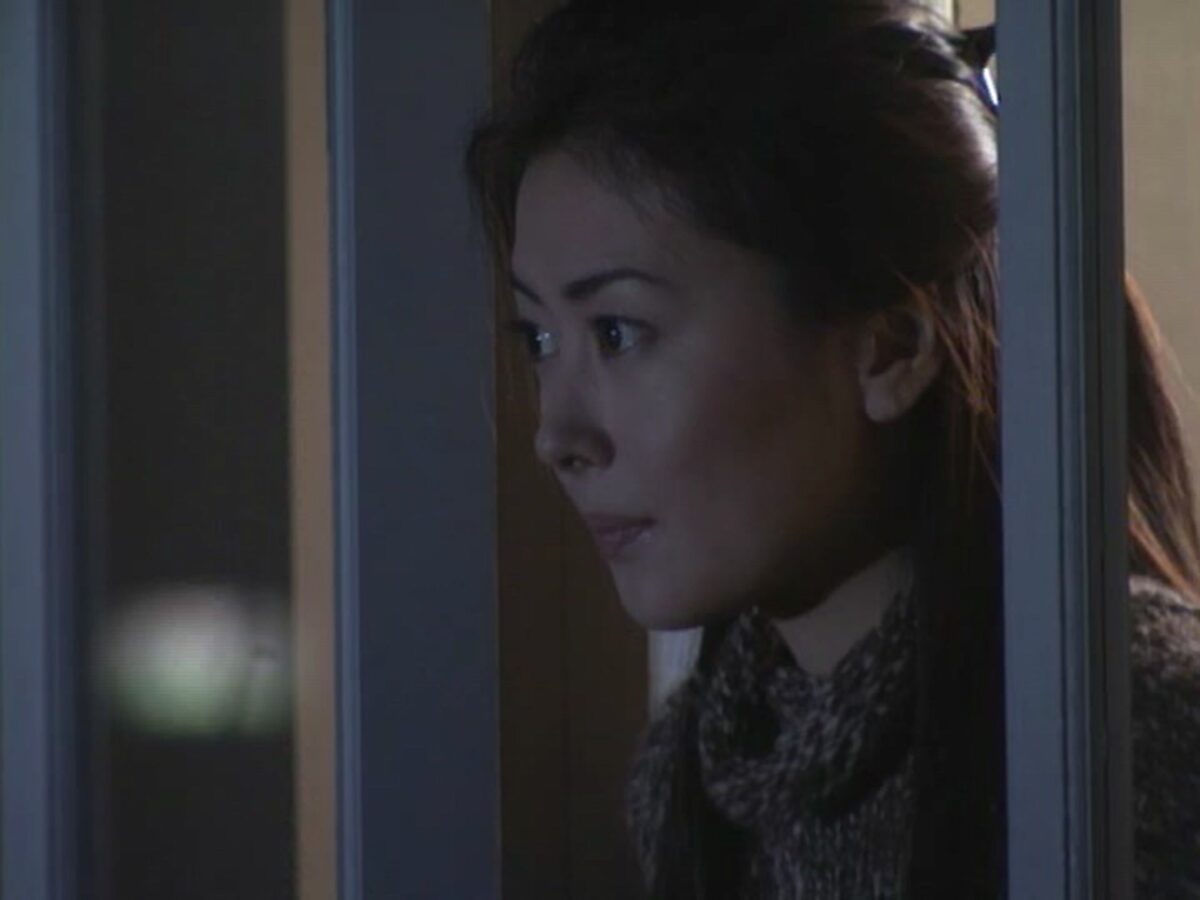
- The early episodes successfully combined spy action and romance, keeping viewers engaged. As the story moved into its second half, however, the pacing slowed and the drama was criticized for becoming tedious.
- Because the story took place in a fictional country, the characters’ motives for their crimes and betrayals were often unclear. Too many implausible developments were justified simply by describing someone as a “specially trained agent,” leaving the drama feeling frustratingly underdeveloped.
A Retrospective: Romanticism Born of Its Era Meets the Limits of Genre
Love in the Year 2000 was an ambitious transitional drama that tried to merge the romantic sensibility of 1990s trendy dramas with the suspense of a new millennium.
It attempted to channel fin-de-siècle anxiety and anticipation for the millennium into a sweeping story about the love between an international spy and an ordinary woman.
Its polished visuals and the overwhelming screen presence of its two leads helped complete the fantasy-romance at the heart of the series.
But without a tightly constructed plot to support it, the drama relied too heavily on “a pure love that transcends borders.” In the process, it lost much of the tension and realism expected of a proper espionage thriller.
The vague premise of a fictional country that does not exist in the real world also became an obstacle, making it difficult for viewers to become fully immersed in the story.
Even so, for those who remember the uniquely intense romanticism of early-2000s Japanese dramas—an era when “love was everything”—the series remains a beautiful piece of nostalgia.
Rather than a meticulously crafted prestige drama, it is best enjoyed as a romance from another era: an ideal vehicle for basking in the end-of-century atmosphere created by its two stars at the height of their careers and by its unforgettable music.
FAQ
FAQ 1. What kind of drama is Love in the Year 2000?
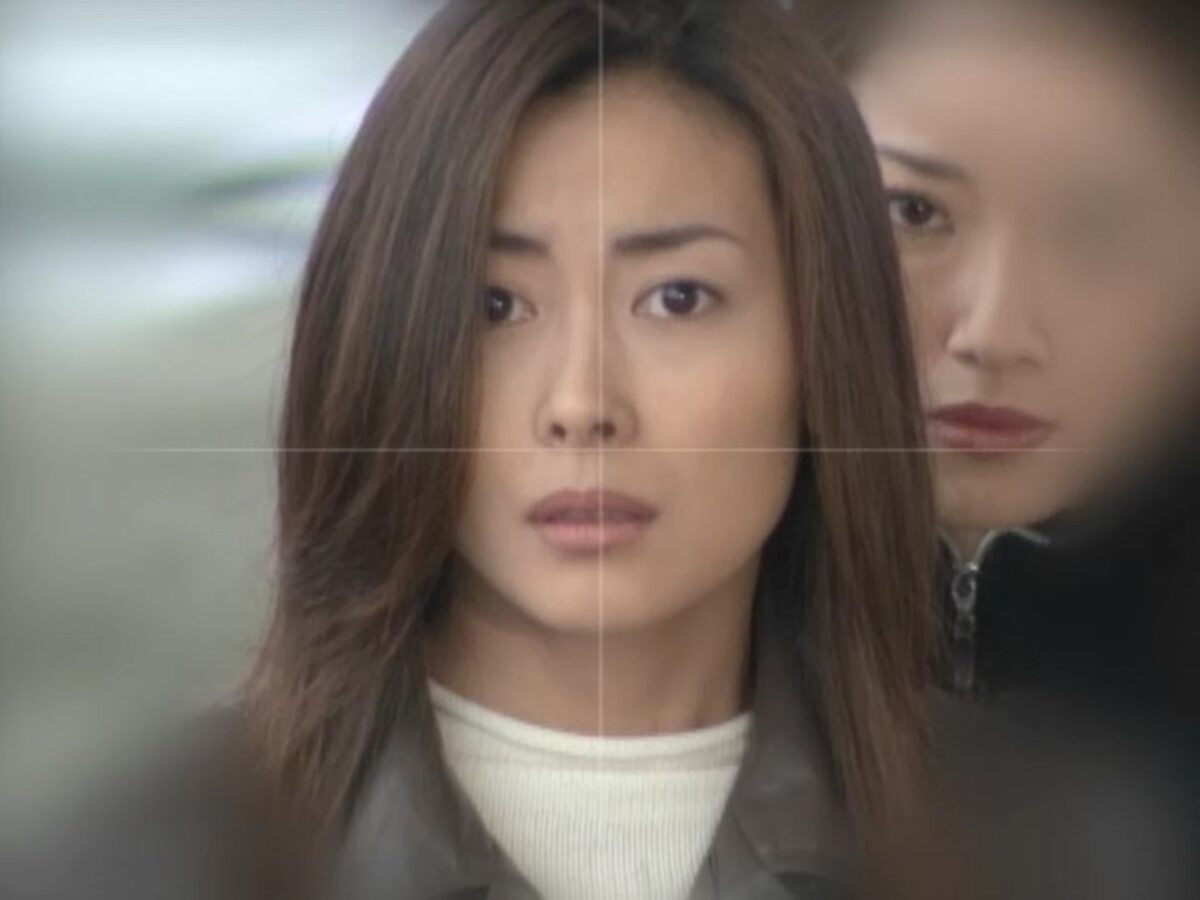
Love in the Year 2000 is an espionage melodrama that aired on Fuji TV in 2000. Centered on the tragic romance between an ordinary systems engineer and a covert operative, it combines romance with spy action.
FAQ 2. Why did Love in the Year 2000 attract so much attention at the time?
The biggest draw was the pairing of two of Asia’s biggest stars, Miho Nakayama and Takeshi Kaneshiro. The mood of a new millennium, the drama’s large-scale production, and its emotional visual style also generated considerable interest before it premiered.
FAQ 3. What are the drama’s weaknesses?
Many viewers felt that the espionage plot became increasingly implausible in the second half. The fictional-country setting, the characters’ occasionally unconvincing actions, and the slowing pace were among the drama’s most frequently cited shortcomings.
FAQ 4. Why is the OST still remembered today?
Do As Infinity’s theme song, “Yesterday & Today,”*is widely regarded as a classic that perfectly captures the drama’s aching emotional tone. It remains one of the songs most closely associated with the series and is still fondly remembered by many fans.
FAQ 5. Is the drama still worth watching today?
Viewers looking for a tightly plotted spy thriller may find it disappointing. But if you want to experience the distinctive mood of early-2000s Japanese trendy dramas, along with Miho Nakayama and Takeshi Kaneshiro at the height of their careers, it is still well worth watching. Its visuals, music, and sense of time and place remain part of its appeal.
